
GENERATIONAL KNOWLEDGE AND CARE
THE TRUE VALUE OF FOREST PRODUCTS
WOOD WITH A STORY
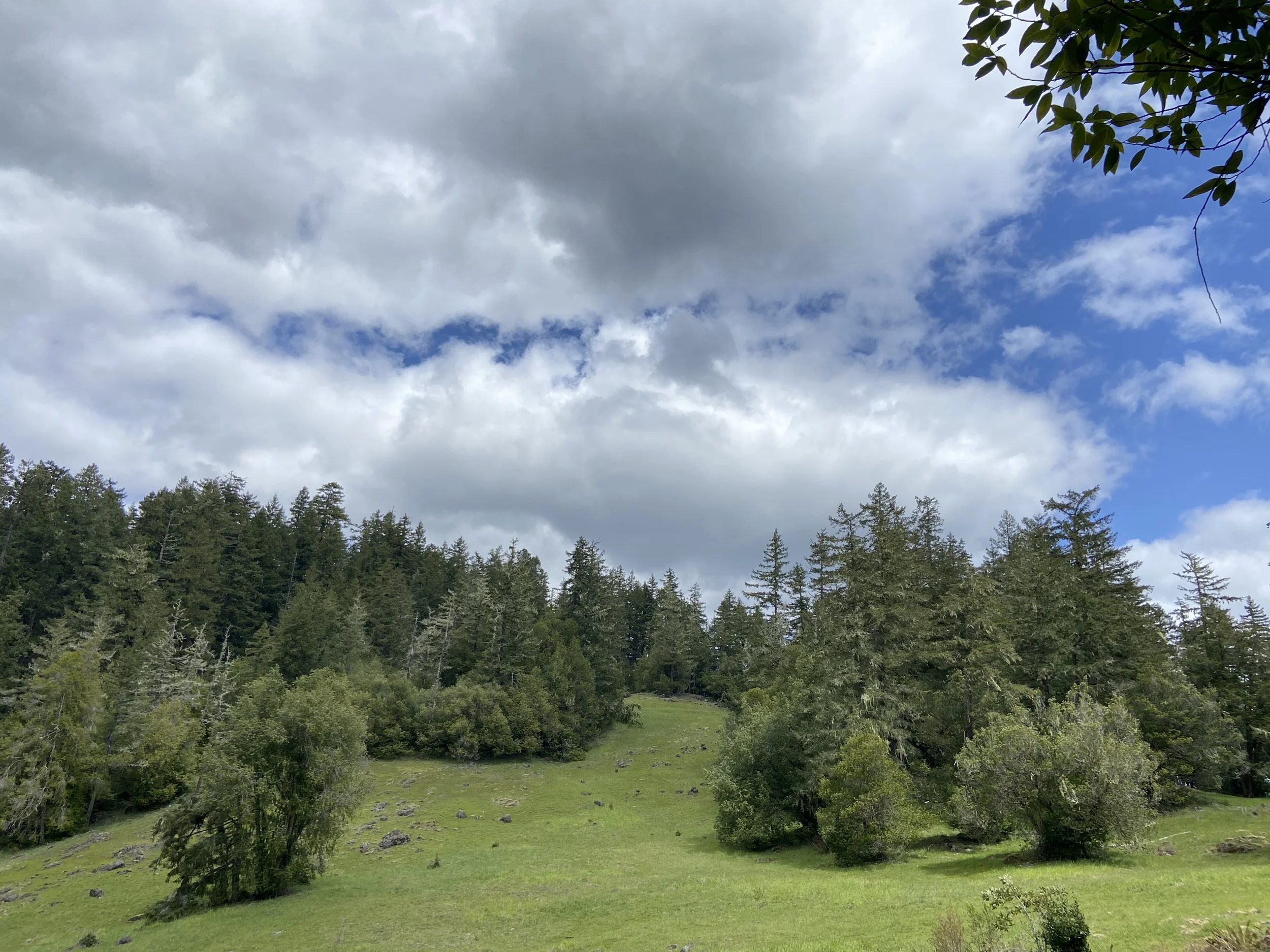
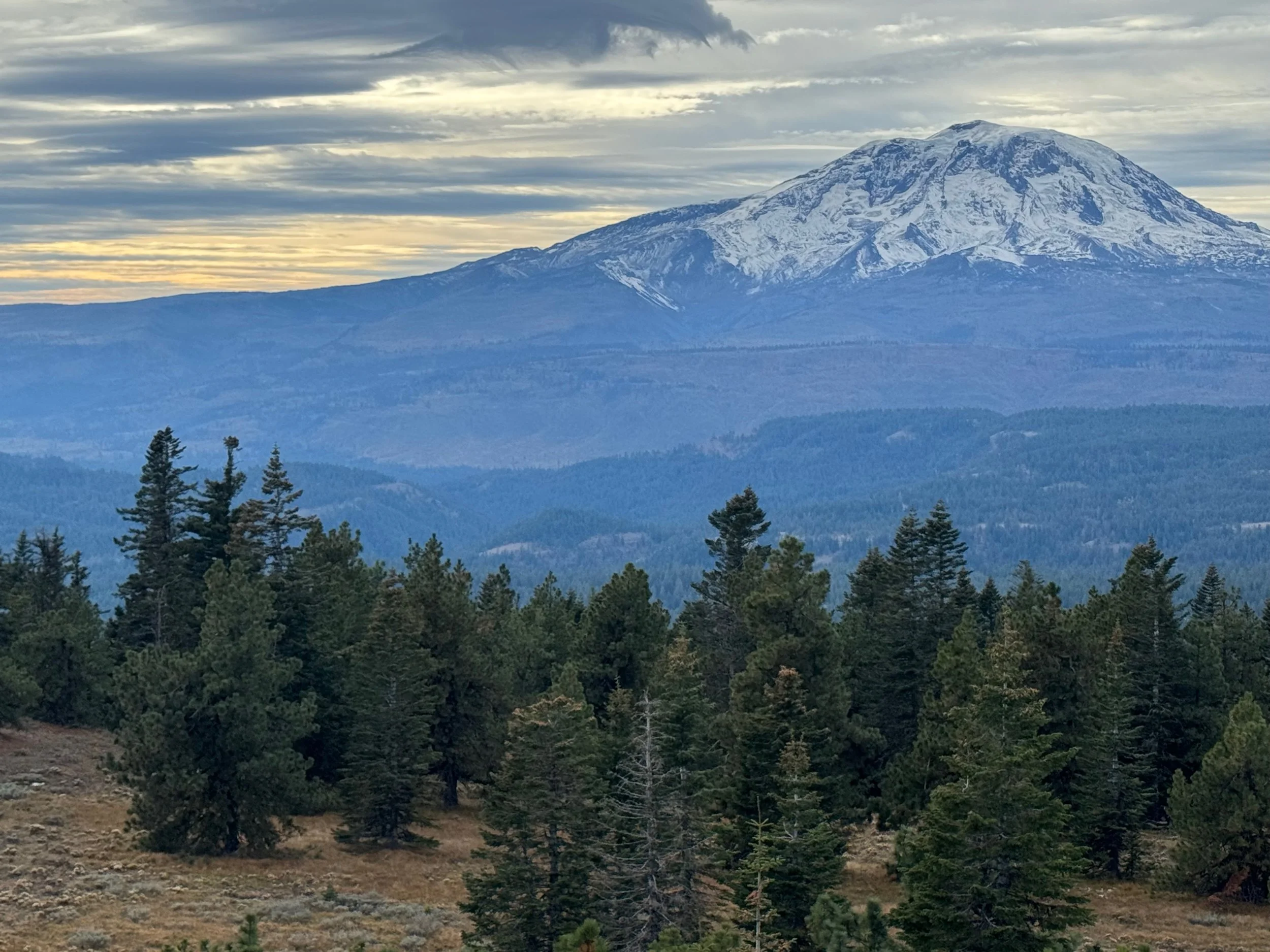
Forests have always been more than just trees to Tribal Nations. They are living landscapes that hold stories, culture, and deep knowledge passed down through generations. Many Tribes are showing us what true leadership means by blending time-honored forest stewardship with cutting-edge science and technology.
But even with their deep expertise, Tribes often face hurdles when it comes to getting forest products into the market in a way that reflects their values. Too often, systems that value forests only for their timber miss the bigger picture like cultural priorities, long-term forest health, and wildlife habitat benefits.
That’s why Sustainable Northwest is partnering with Tribes to explore Tribal wood marketing. Wood has always carried a story; most supply chains just don't bother to tell it. What if wood products could tell you more about who owned the land, how the forest was managed, and benefits to communities?
A few of our Tribal Partners
-
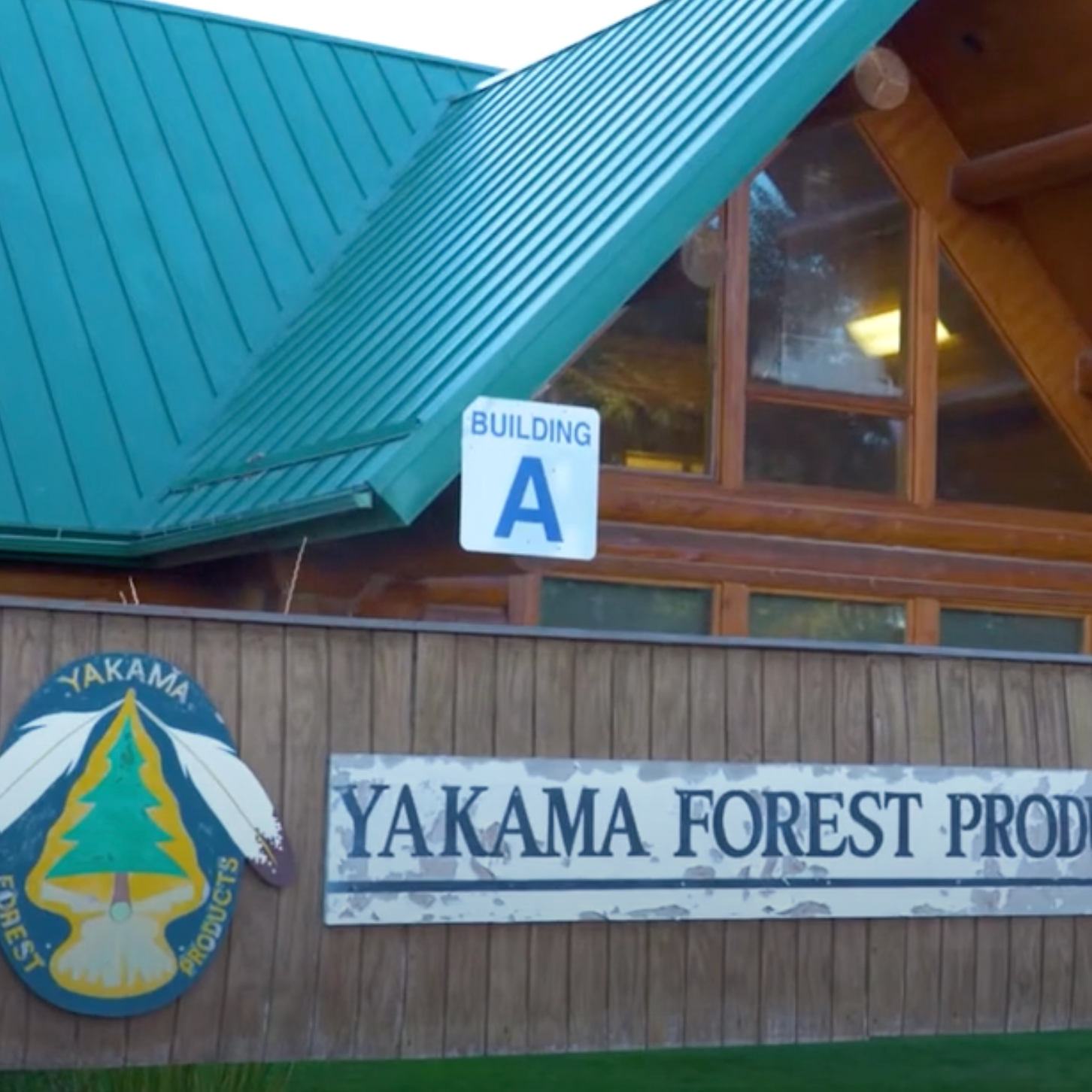
YAKAMA NATION
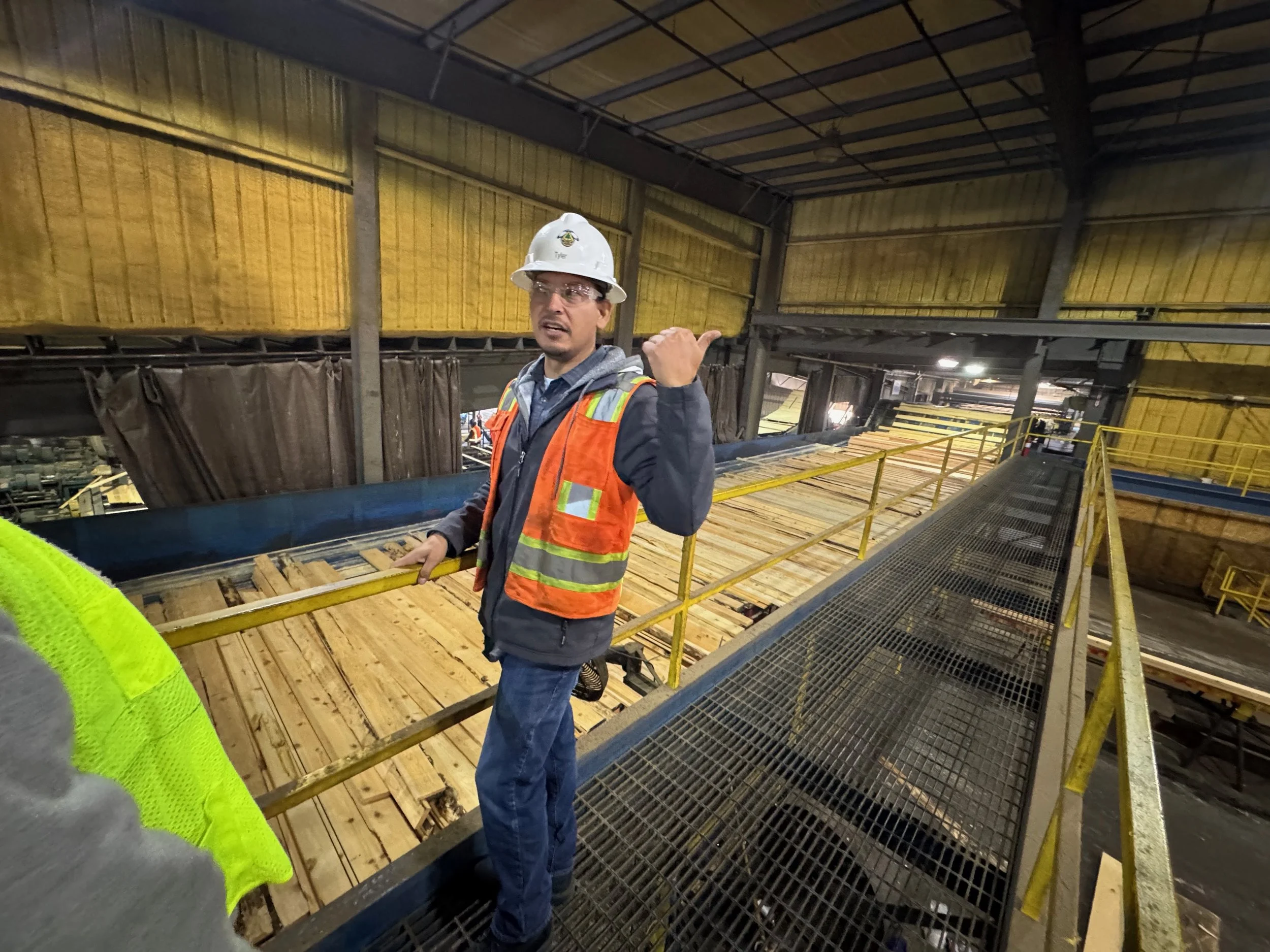
Yakama Forest Products is owned and operated by the Yakama Nation in southcentral Washington. They produce wood from the tribe’s 600,000 acres of forestland, including some of the wood used in the Portland International Airport’s renovation. -
MAKAH TRIBE
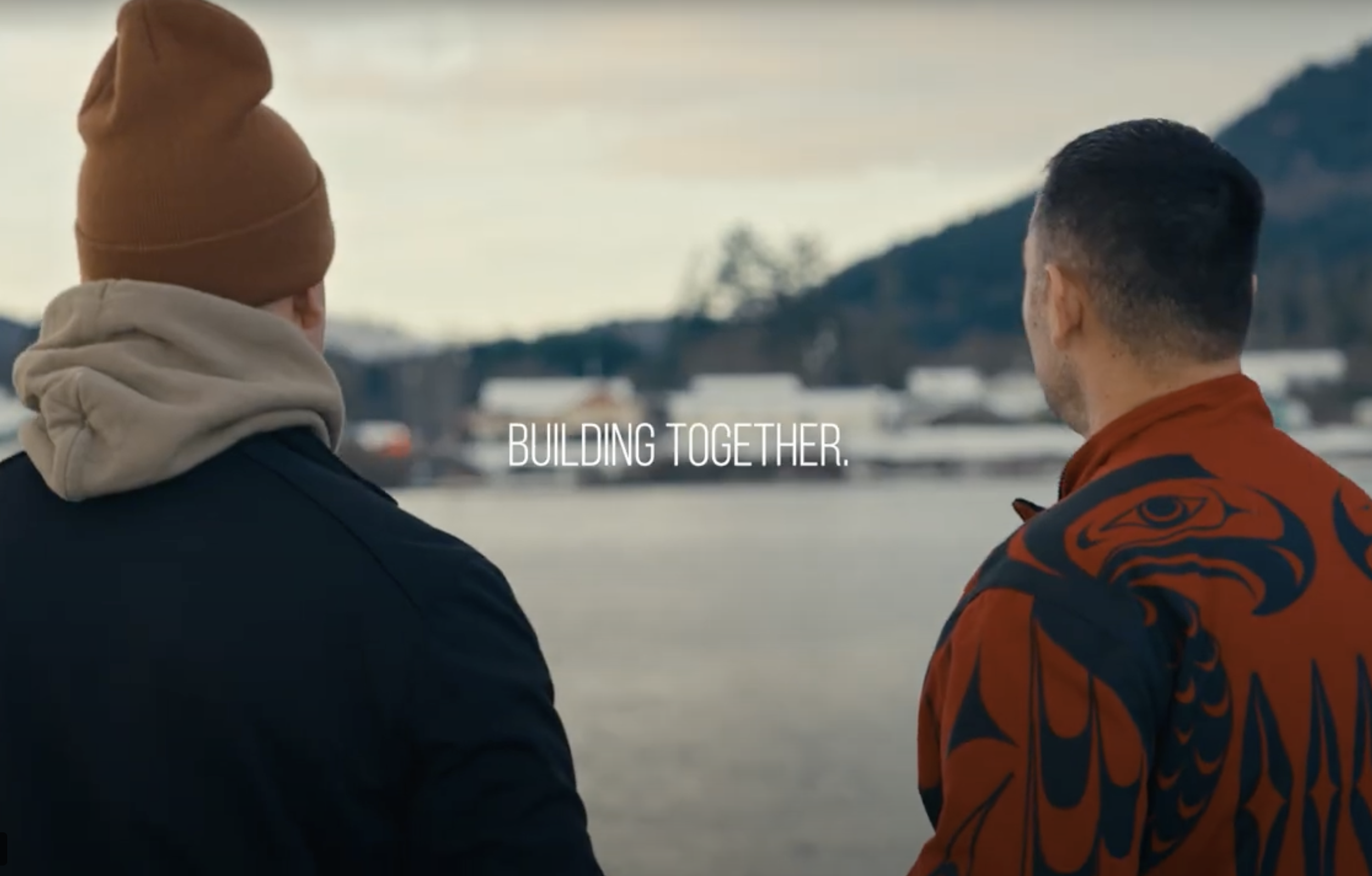
The Makah Tribe in northwest Washington is partnering with Composite Recycling Technology Center to create affordable housing using western hemlock. Hemlock is often disposed of by the timber industry, but CRTC has developed a thermal modification process to make it durable for new homes being built on the reservation. -

COQUILLE TRIBE
The Coquille Tribe in southwest Oregon provided high-quality, Douglas-fir timber for portions of the glulam beams used in the roof of the new Portland International Airport’s main terminal. This timber is harvested on an 80-year rotation, meaning their logs grow longer to store more carbon than in a typical commercial forest.
Our goal is to shine a light on Tribal forestry practices and help create new pathways for these products to reach builders, designers, and others who care about where their materials come from. We’re asking questions like:
What do builders need to support this kind of wood?
How can we make sure Tribal values are front and center?
What would it take to build a transparent, trustworthy supply chain from forest to finish?
And how can we drive financial value to landowners managing for unique ecological and cultural benefits?
This isn’t just about marketing wood. It’s about honoring leadership, culture, and deep care for the land. And it starts by listening. We’re committed to working hand in hand with Tribal partners to co-create something meaningful and lasting.
Because when Tribal communities lead the way in forest stewardship, we all benefit from healthier ecosystems and more sustainable ways of living.
WANT TO LEARN MORE?
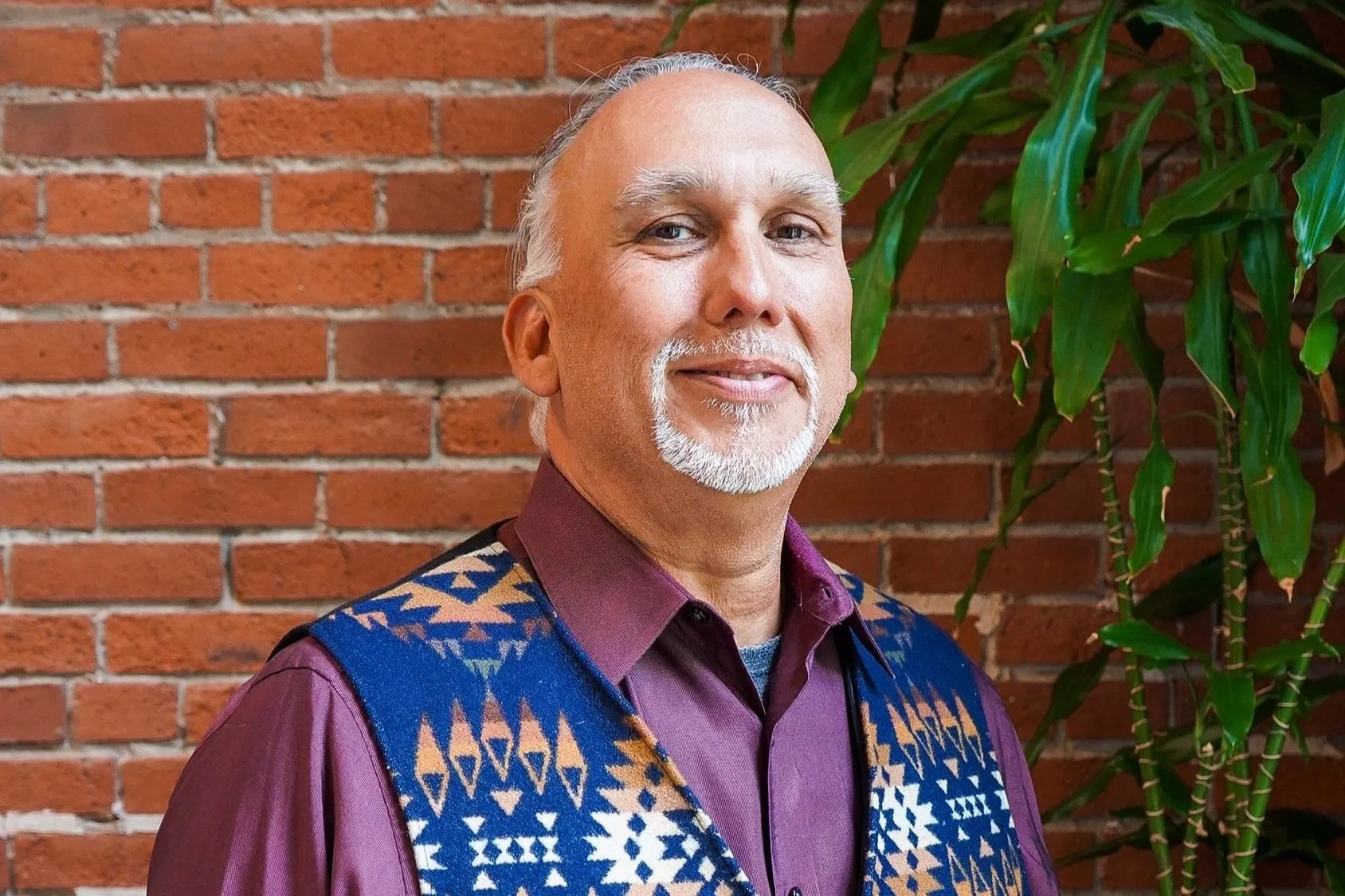
Contact Steve Rigdon
Tribal Partnership & Resource Stewardship Manager
Photo + video credits: SNW, Port of Portland/Hannah Letinich, Flowerhead Productions.