Sustainable Northwest's clean energy team joined the Dispatches from the Energy Transition webinar to talk about Oregon’s efforts to put energy resilience in community hands.
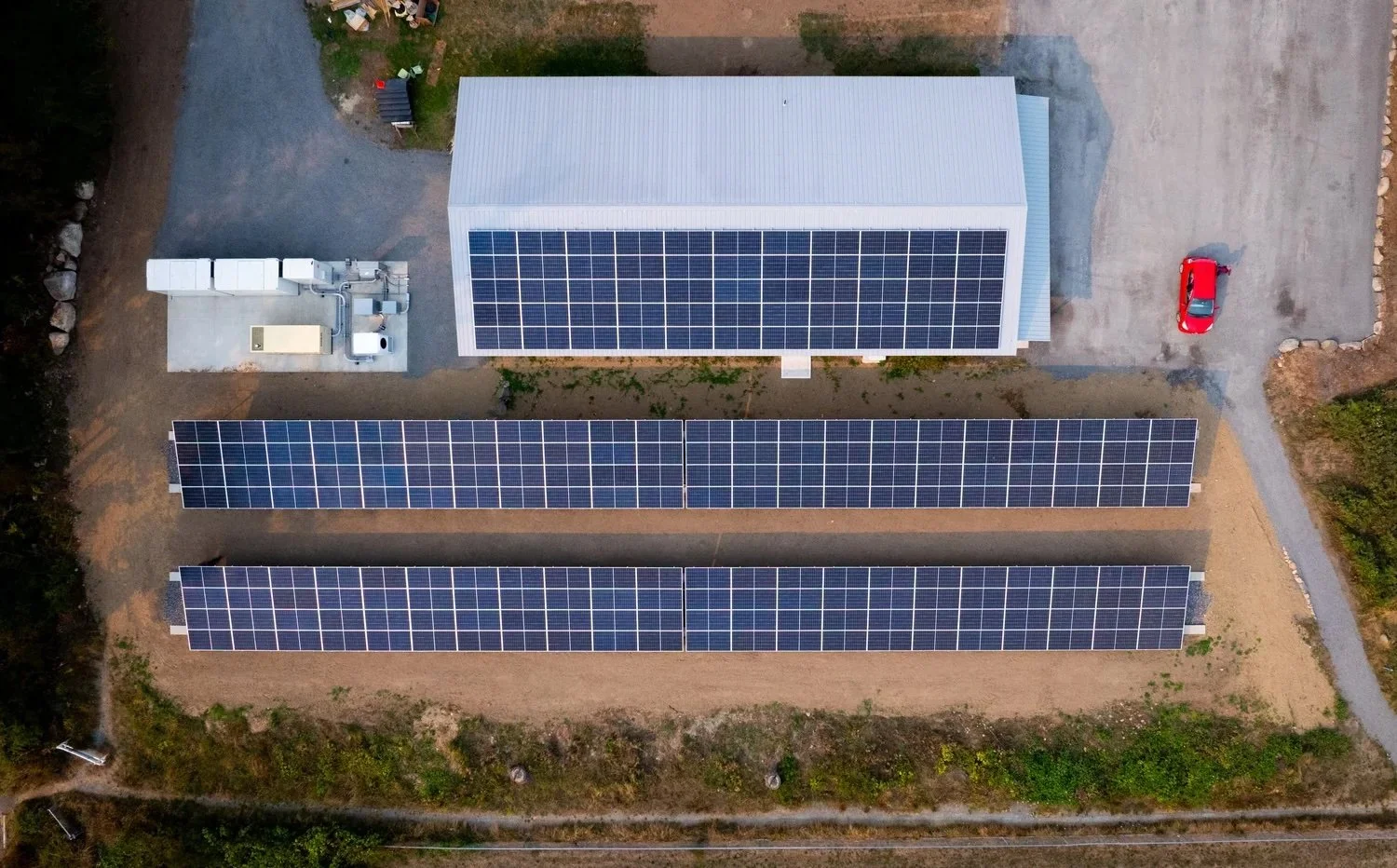
When a wildfire burns through a rural town, or a public safety power shutoff cuts electricity to residents and local businesses, the first responders aren't just firefighters. They're the community itself. County emergency managers, school district staff, council members, and grocery store owners are the people who keep things running when the lights go out. Historically, these solutions have relied on diesel generators, which depend on the ability to truck in fuel and degrade local air quality.
Some communities see another solution to prepare for outages: a public, locally-owned and operated microgrid. Microgrids can run on a wide variety of energy sources that are often locally produced, like solar, wind, microhydro, and biomass. These systems also utilize batteries and can “island” off the regional grid in times of emergency.
But until now in Oregon, uncertainty and ambiguity around community microgrids stifled development. Though the law allowed smaller, utility-owned, “behind the meter” microgrids, rules did not explicitly allow for community-owned “front-of-meter” microgrids.
That's changing. Thanks to 2025 legislation proposed by Sustainable Northwest and its Making Energy Work Coalition, communities will soon be able to build their own public, interconnected microgrids to power critical services when the power goes out – which happens more frequently in rural and Tribal communities because they are often at the end of the line in the transmission grid.
This fall, Sustainable Northwest’s Clean Energy Program Manager Alex Clingman joined Kevin Wright, president of ProtoGen, on the Dispatches from the Energy Transition webinar, hosted by Robert Cross of Cross Consulting and Lucas Miller of Mayfield Renewable. The webinar unpacked AR 681: the Oregon Public Utility Commission (PUC) investigation building a framework for how community microgrids are owned, built and operated in our state.
"When the grid goes down, it's the responsibility of the community to respond," Wright said. AR 681 is centered on giving communities the tools to do it.
Putting decisions in community hands
AR 681 grew out of two bills Sustainable Northwest and a coalition of rural and Tribal leaders helped draft and champion, House Bills 2065 and 2066. They passed the Oregon State Legislature with overwhelming support from both sides of the aisle (almost 95% of votes in favor of both bills). Now, with AR 681, the PUC is creating a framework and rules to implement that law, set to wrap up in March 2027.
"The microgrid legislation and framework is about putting more decision-making power and decision-making tools in the hands of community leaders," Clingman said.
Under the new framework, a city or county can designate a microgrid zone, much as it zones for housing or business. That zone could be a fairgrounds, a downtown corridor, or an entire town. The community decides which facilities matter most during an outage, whether that's a school, clinic or hotel that can shelter evacuees and provide emergency services. Community microgrids can also tap local resources already on the ground, like a small hydro project, community solar array, or biomass facility.
The new rules also open up utility network data to engineers working for communities, set firm timelines for utilities to share it, and give utilities clear legal footing to participate. As Wright put it, "The goal is a community-led, low friction process."
For Dispatches co-host Lucas Miller, the bigger story is who holds the power. "This program seems to get at democratization of Oregon’s energy system, giving more power to communities about where their power comes from and letting them drive the process."
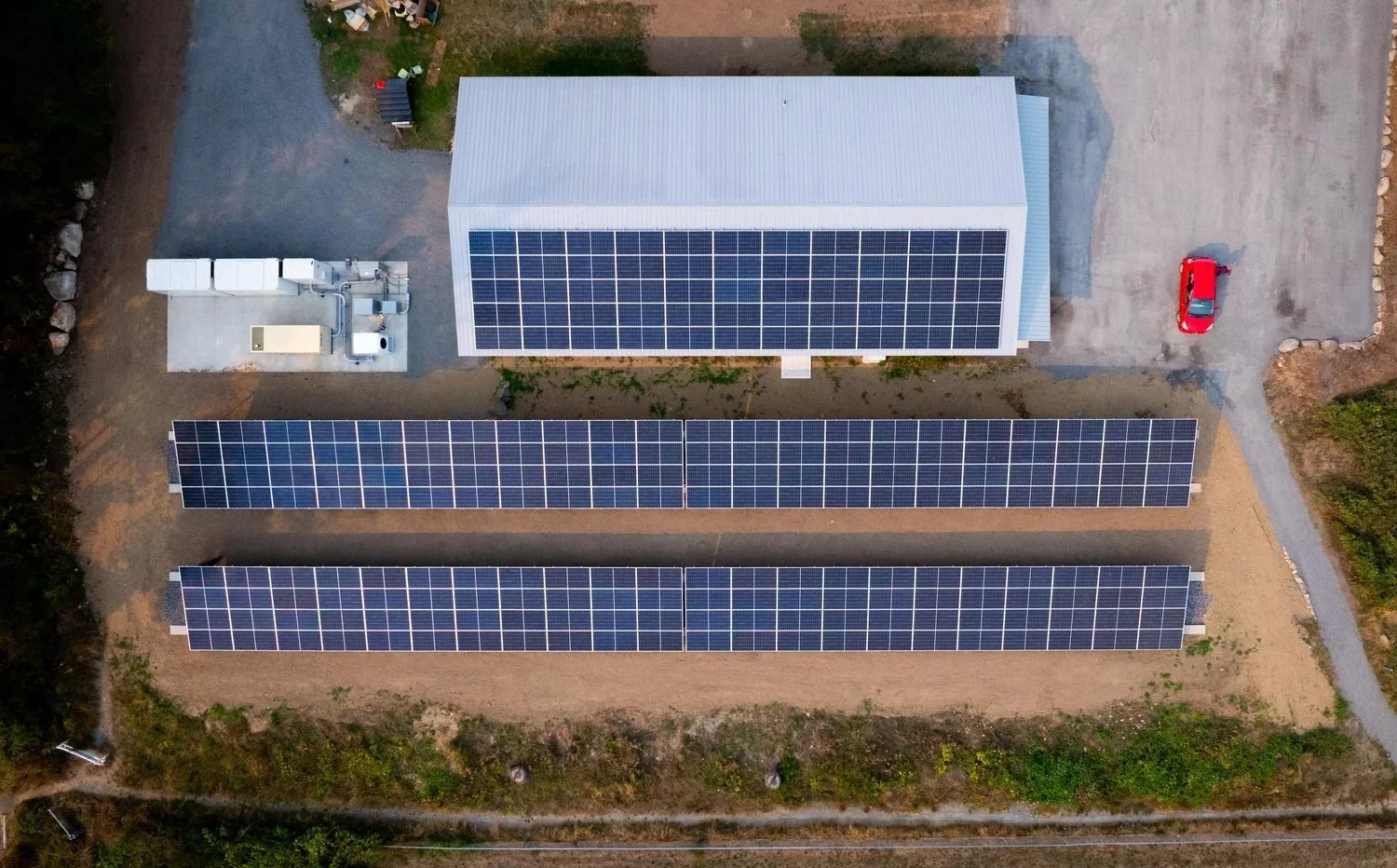
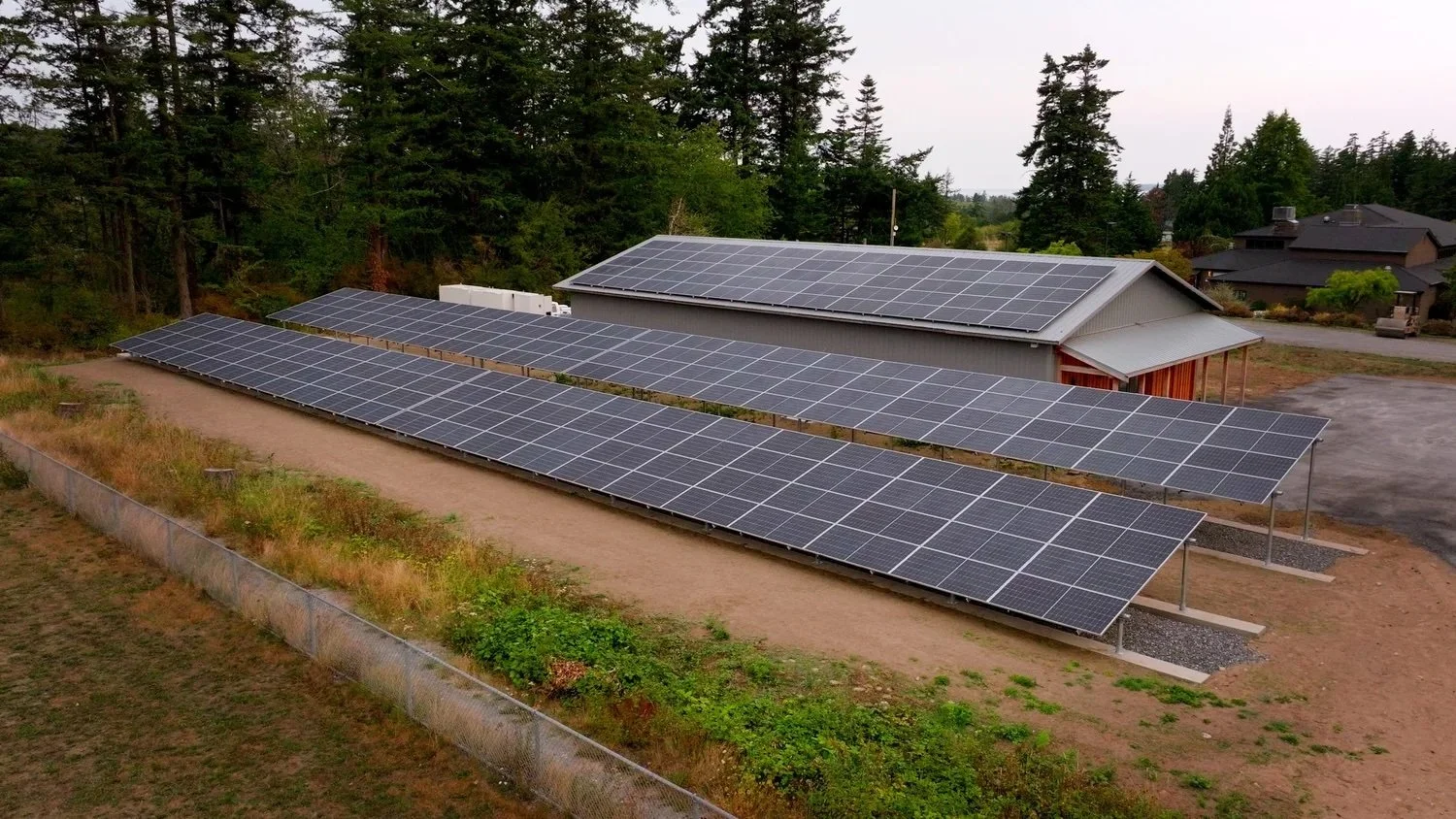
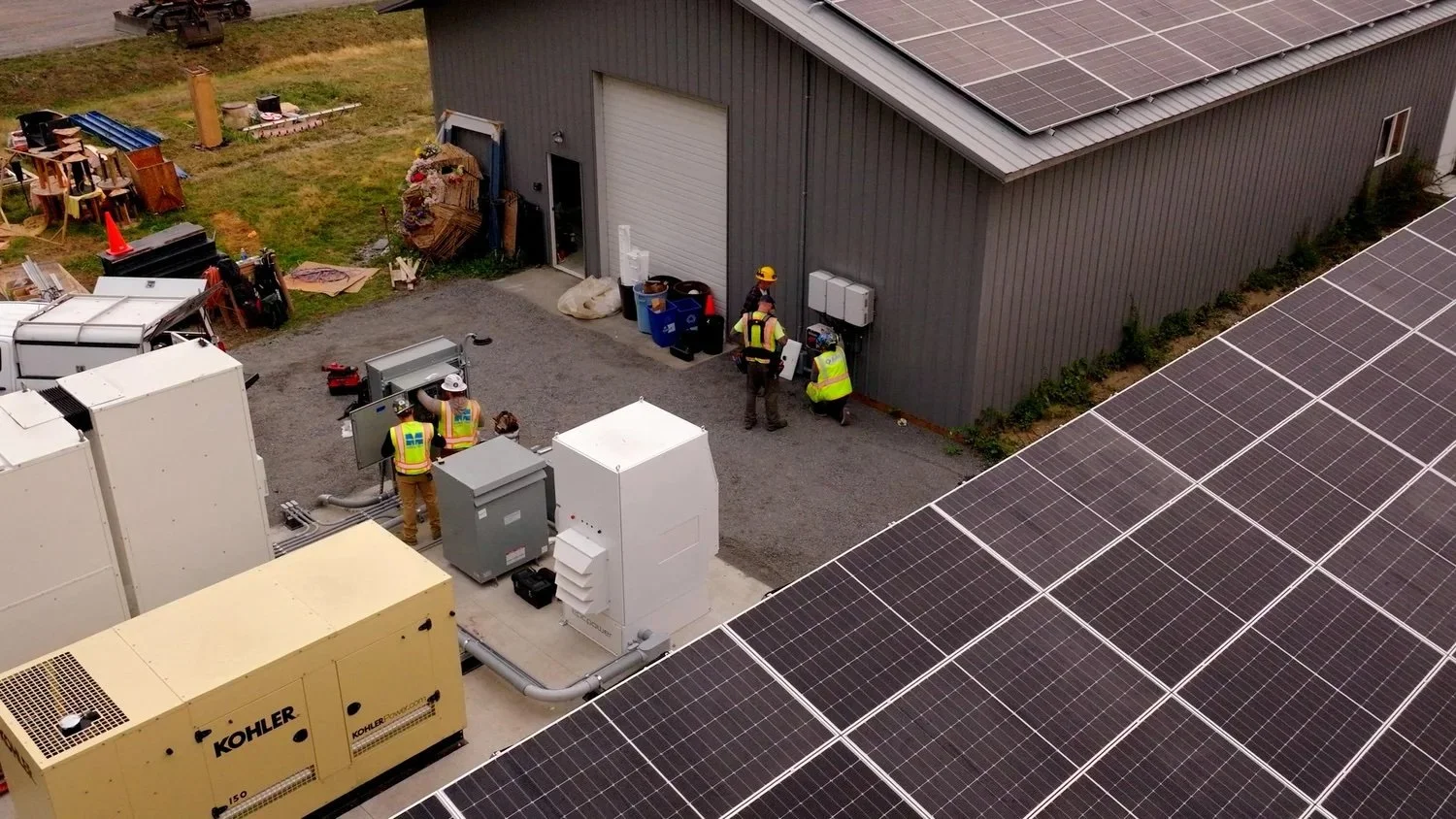
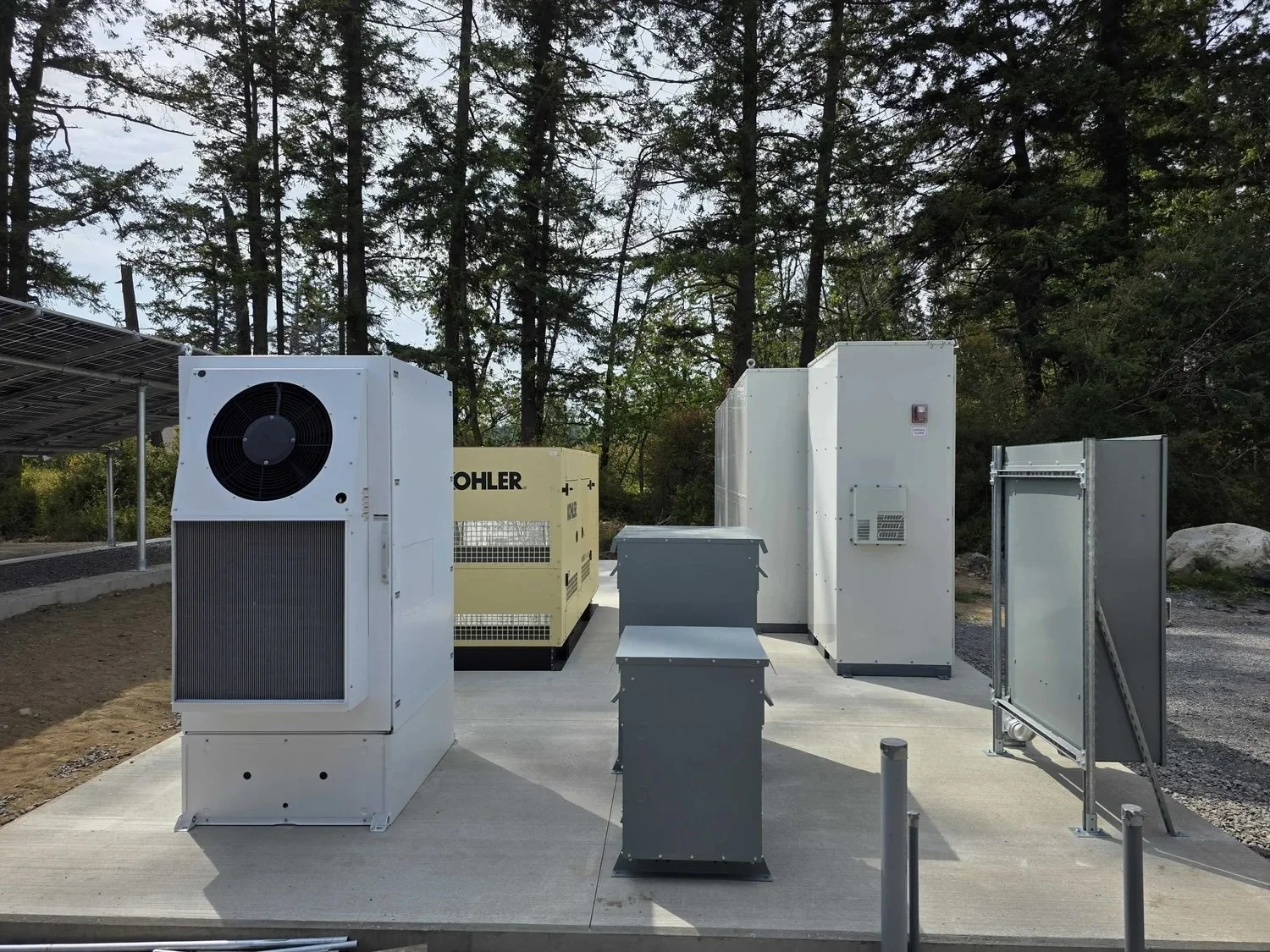
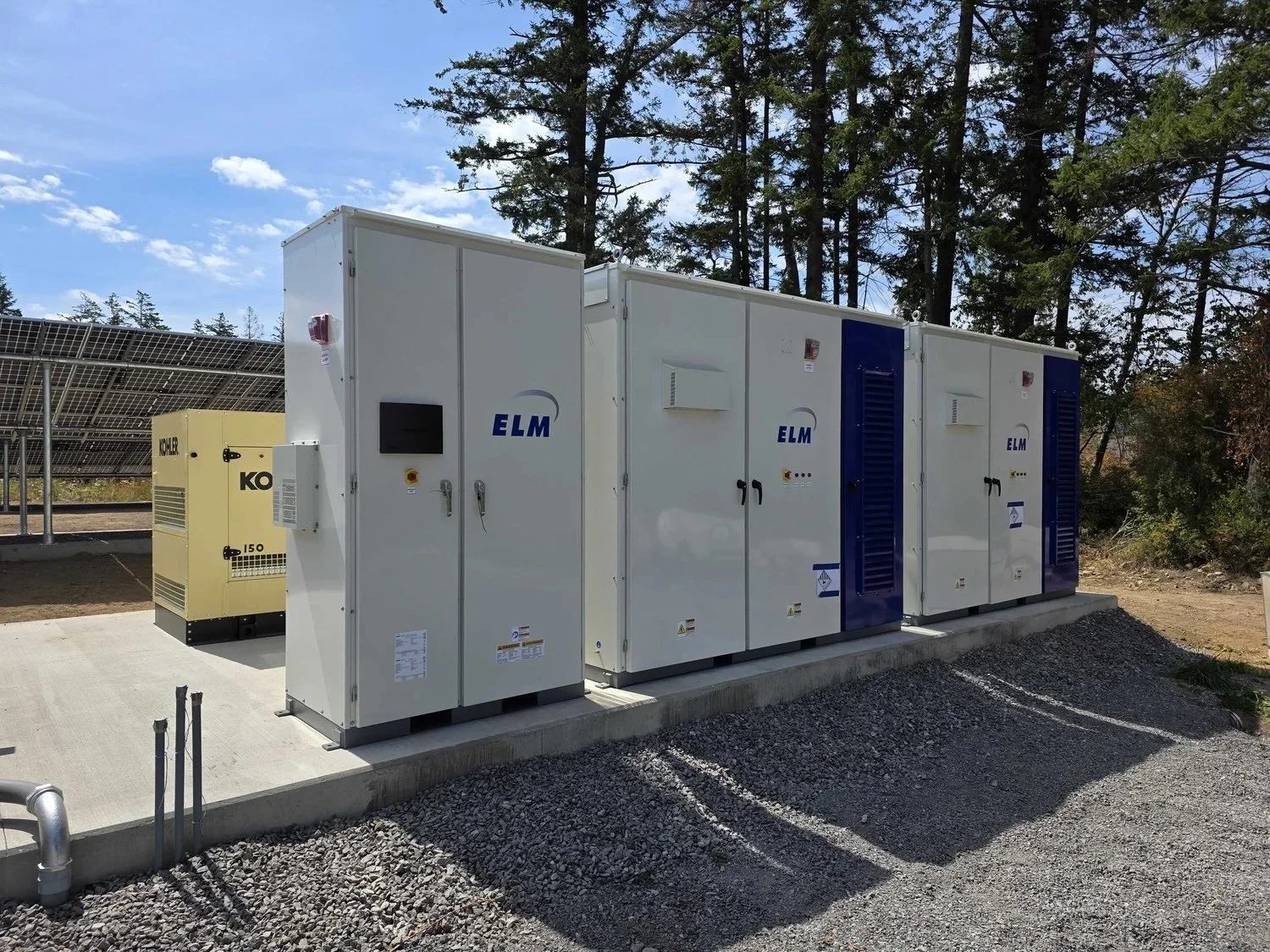
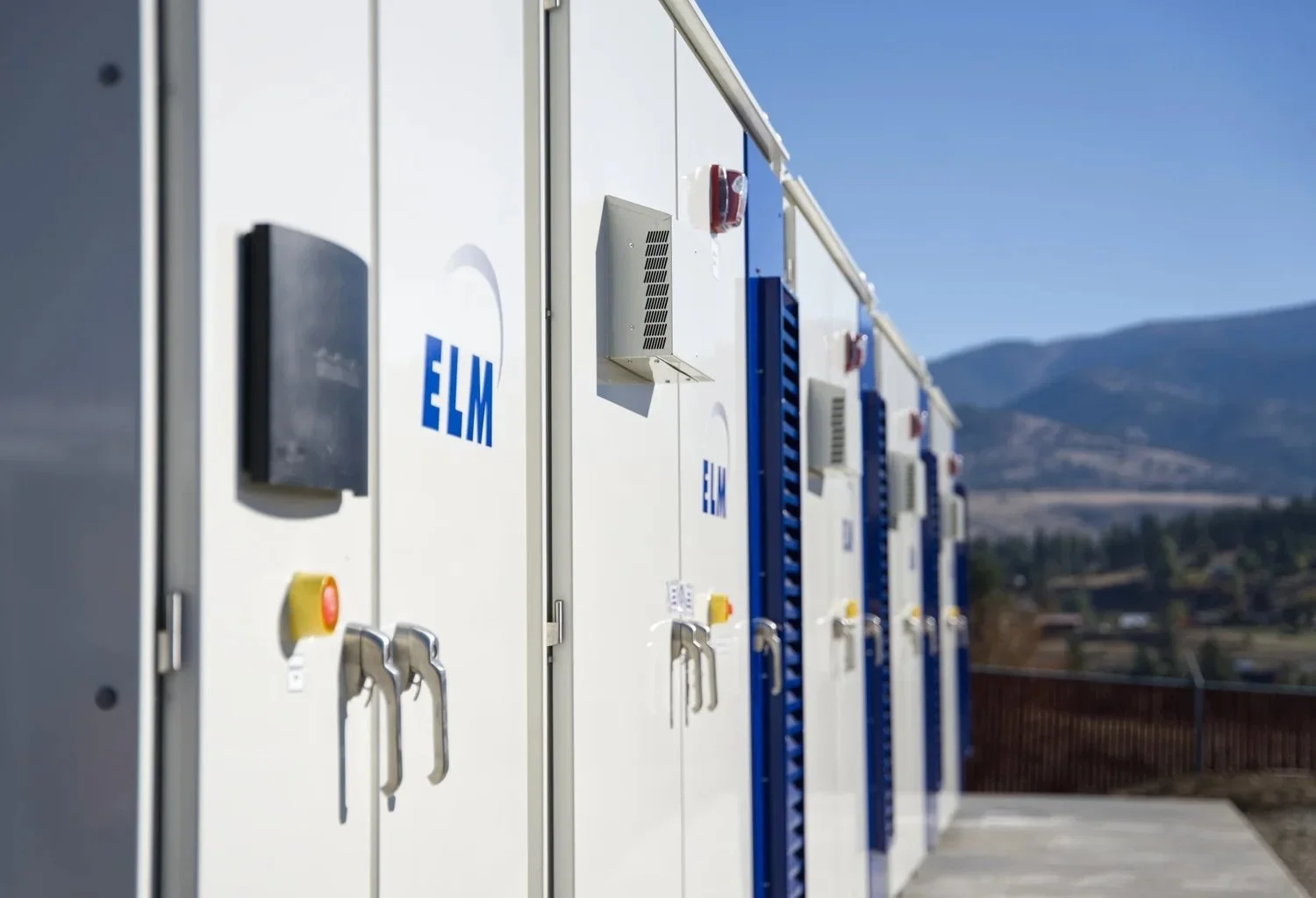

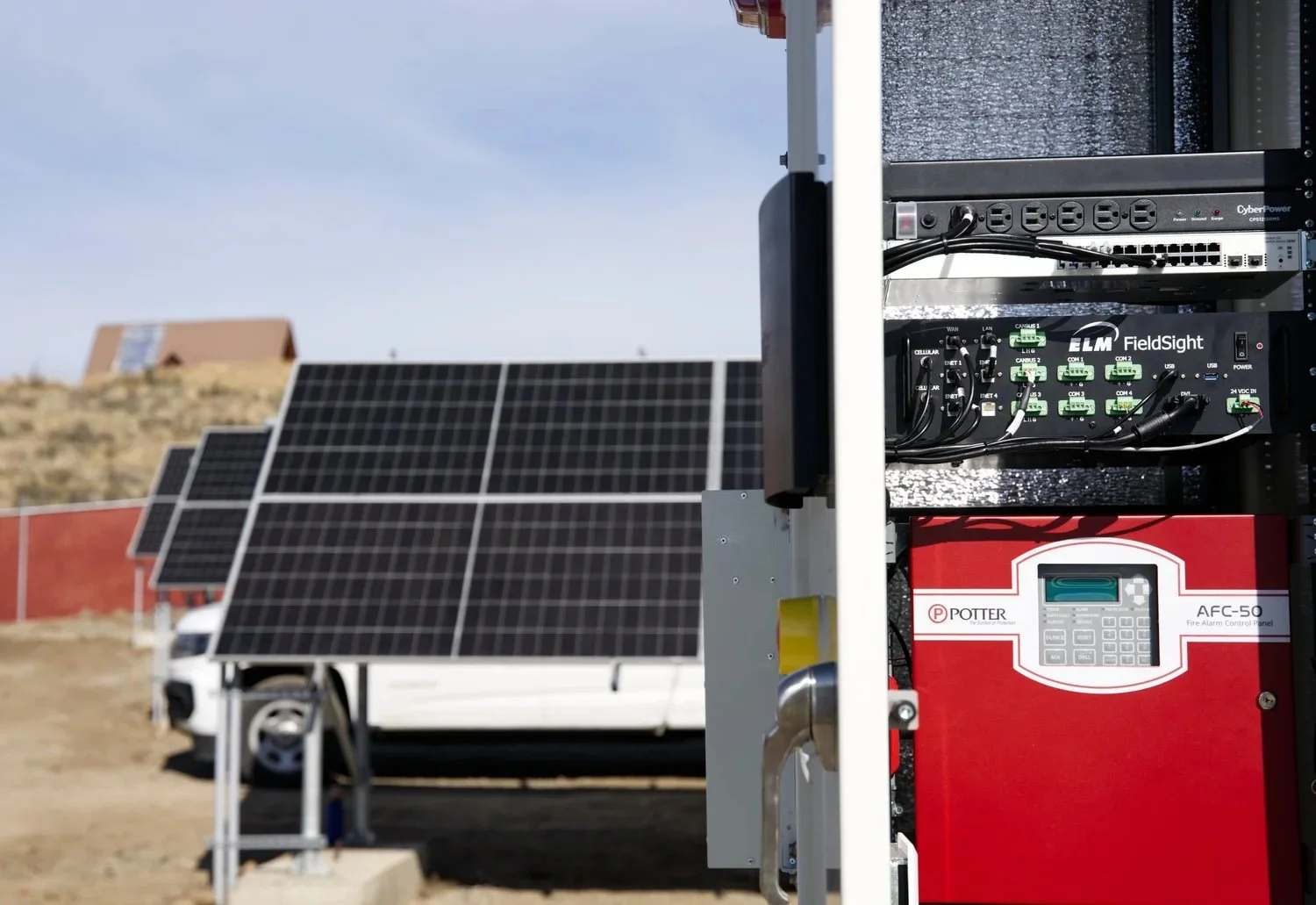


Examples of small-scale, behind-the-meter microgrids. Photo credits: Sulis Energy.
What is the value of resilience?
One of the hardest questions in energy policy is how to put a price on keeping the lights on during a disaster. Oregon is now required to answer it, because the new Oregon laws require the PUC to develop a value of resilience. That value will help fund community microgrid projects and serve as a justification for building them. It can change depending on location, population, natural disasters, and time of day.
"The value of resilience is tough to assign to a single fixed value. One success is that it's now written into the law," Wright explained. "The PUC investigation phase is to develop a value for resilience. That value will be used in two ways. One is a revenue source to help develop these projects. The second is to develop a rationale and justification for community microgrids. The value of resilience is dynamic. There are different values depending on the location and time of day."
The answer matters well beyond Oregon. Cross sees it reaching into how utilities do business: "I think [AR 681] could reshape the utility revenue model."
The work is collaborative. PUC staff, Oregon's investor-owned utilities, and national laboratory modelers are all at the table, testing how microgrids and other local energy resources can strengthen the grid as demand climbs.
Built from the ground up
This framework didn't start in a hearing room. It started with our partners.
Sustainable Northwest works alongside rural and Tribal communities across Oregon and Washington on clean energy, smart water use, and healthy forests, farms, and ranches. Over the past several years, communities in Oregon pursuing microgrids kept hitting barriers: unclear rules, limited access to utility data, and no defined path to approval. They brought those challenges to Sustainable Northwest, and we brought them to Salem.
Clingman has simple advice for other states that want to follow Oregon’s lead: "Start with community input. We started with trusted rural and Tribal partners facing hurdles and looking to us for help."
In Oregon, our Making Energy Work coalition, now about 1,100 members, provided testimony, joined legislative days, and helped sharpen the bill language. It would not have happened without the coalition working together to advance these bills.
Meeting the needs of today
What could this mean three to five years from now? Wright sees a lasting shift. "These laws fundamentally change the relationship between the utility, the customer, and engineers. Reliable electricity is fundamental to society," he said.
The ripple effects are already showing. Eighteen of Oregon's 36 counties have energy resilience plans that name microgrids, resilience hubs, or solar and storage as solutions. AR 681 will help move those plans into projects on the ground.
For Clingman, the urgency is clear. "Energy resilience is in a vastly different place than it was in 2019 prior to a historic wildfire season. As challenges mount, our actions must meet the needs of today."
At Sustainable Northwest, that's what community-led solutions look like: practical tools, shaped by the people who use them, that keep rural and Tribal communities powered, prepared and thriving.
Get involved: Join our Making Energy Work coalition to stay up to date on AR 681 and clean energy policy in Oregon and Washington! Learn more here, and sign up for our newsletter here.
Watch the full conversation: Dispatches E33: Community Microgrids and the Market Shift Behind Oregon's AR 681
If you want to support this work and more like it, you can join The Tree Rings by making a recurring donation to Sustainable Northwest. Click here and select the option to make your gift monthly. Thank you!
Frequently Asked Questions
-
AR 681 is an Oregon Public Utility Commission (PUC) investigation building a framework for how community microgrids are owned, built and operated in Oregon. It puts House Bills 2065 and 2066 into practice and is set to wrap up in March 2027.
-
A microgrid is a local energy system with its own power source, often paired with batteries, that can disconnect, or “island,” from the regional grid during an outage and keep critical facilities running. Microgrids can run on a wide variety of sources, from solar and small hydro to biomass.
-
Under Oregon’s new laws, a standard microgrid serves a single facility behind one meter, like a school or hospital. A community microgrid is bigger and publicly led. It starts when a city or county designates a microgrid zone, such as a fairgrounds, a downtown corridor, or an entire town. Within that zone, the microgrid can use the utility’s existing poles and wires to keep several facilities powered during an outage and draw on local resources already on the ground, like small hydro, community solar, or biomass. The community decides which facilities matter most, and the PUC must approve the project.
-
Wildfires and public safety power shutoffs can cut electricity to schools, clinics, and businesses for days to weeks. A microgrid helps a community keep critical facilities running and responding when the grid goes down.
-
Sustainable Northwest helped draft and champion House Bills 2065 and 2066, bringing the barriers our rural and Tribal partners faced to Salem. Our Making Energy Work coalition provided testimony, joined legislative days and helped sharpen the bill language.
-
Yes. Advocates in Washington are already exploring a similar package of bills. Our advice is to start with community input from trusted local partners.
-
Join Sustainable Northwest's Making Energy Work coalition to stay up to date on AR 681 and clean energy policy in Oregon and Washington.