
Welcome to our new series, Working Lands, Working Hands, where we will feature the work our partners are doing throughout the region!
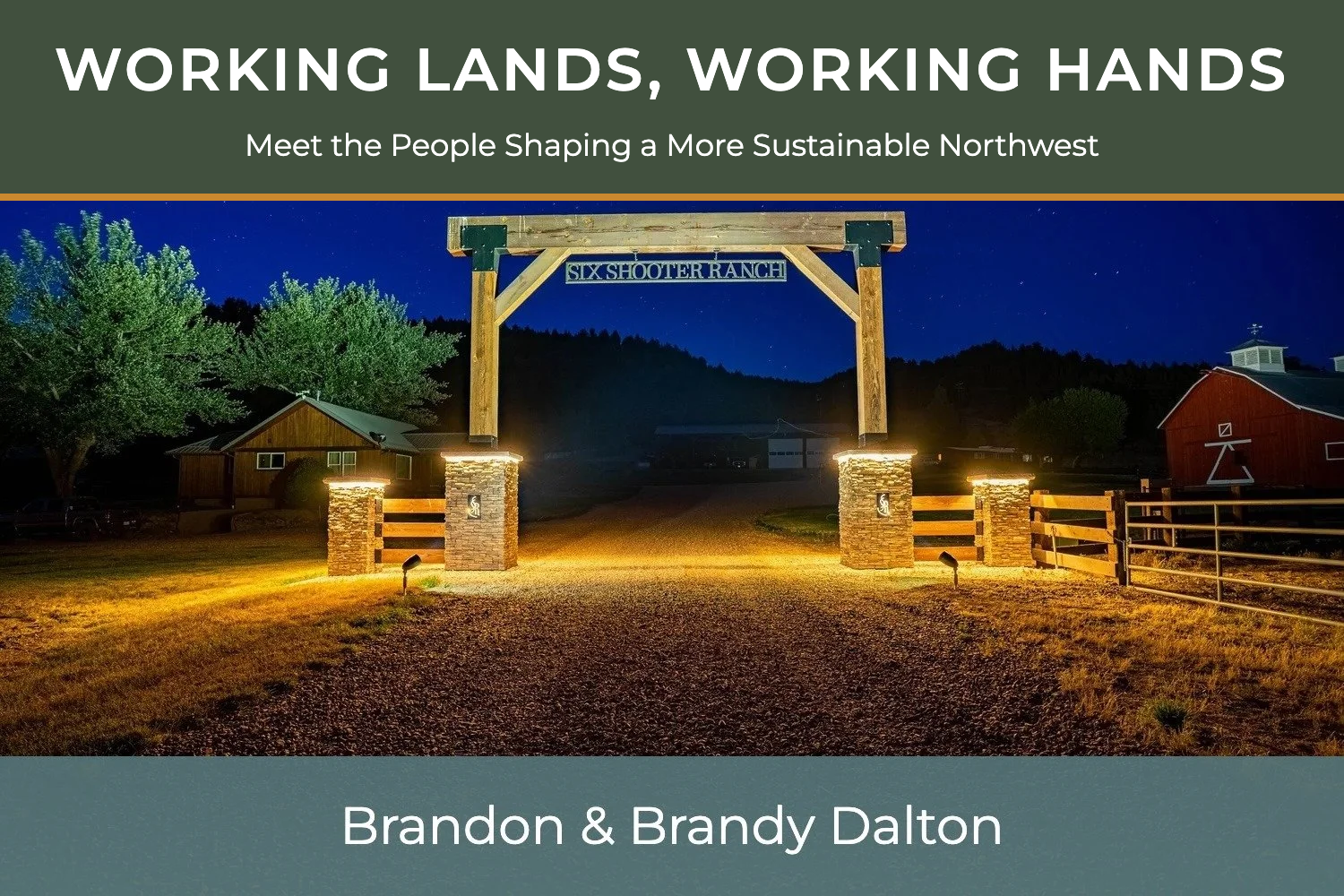
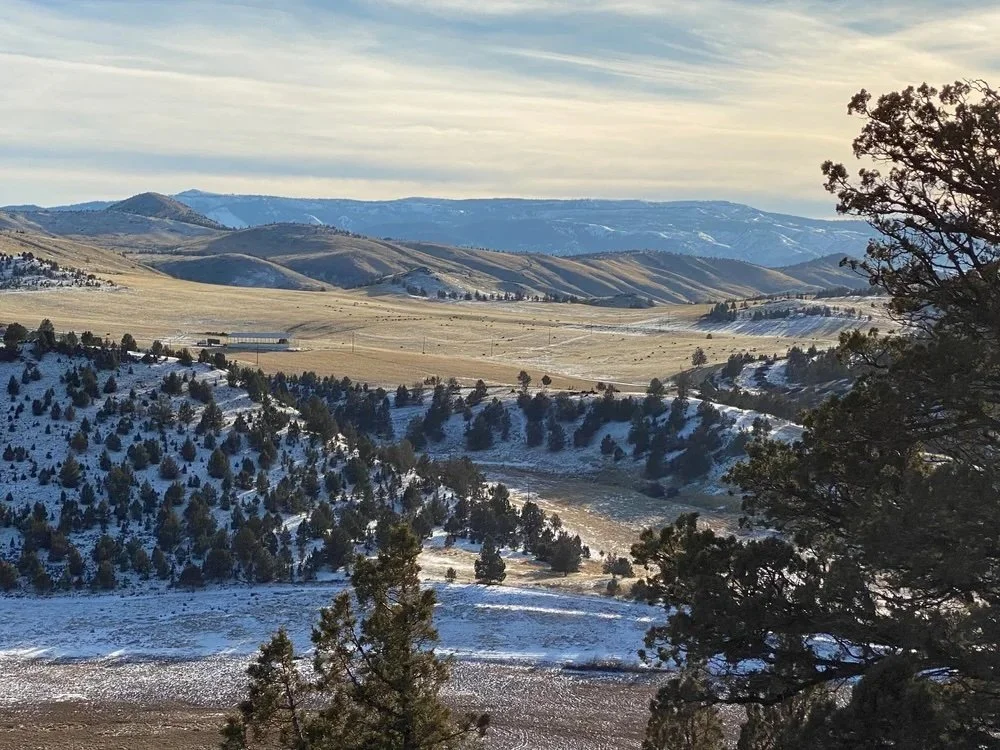
Managing cattle across a large expanse of rugged terrain in central Oregon presents a significant challenge. With steep timbered draws, sagebrush plateaus, and deep canyons, how can ranchers manage herd movement?
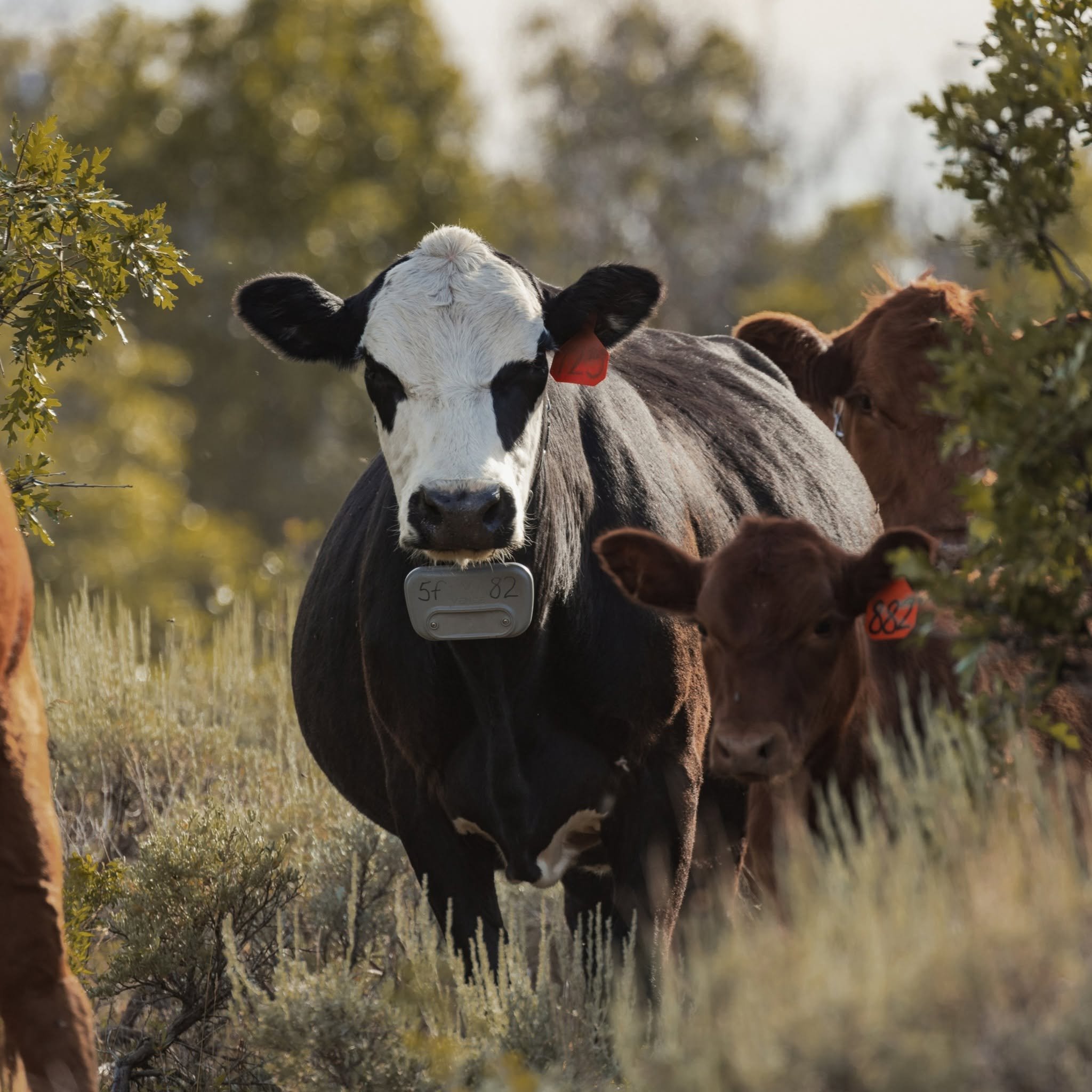
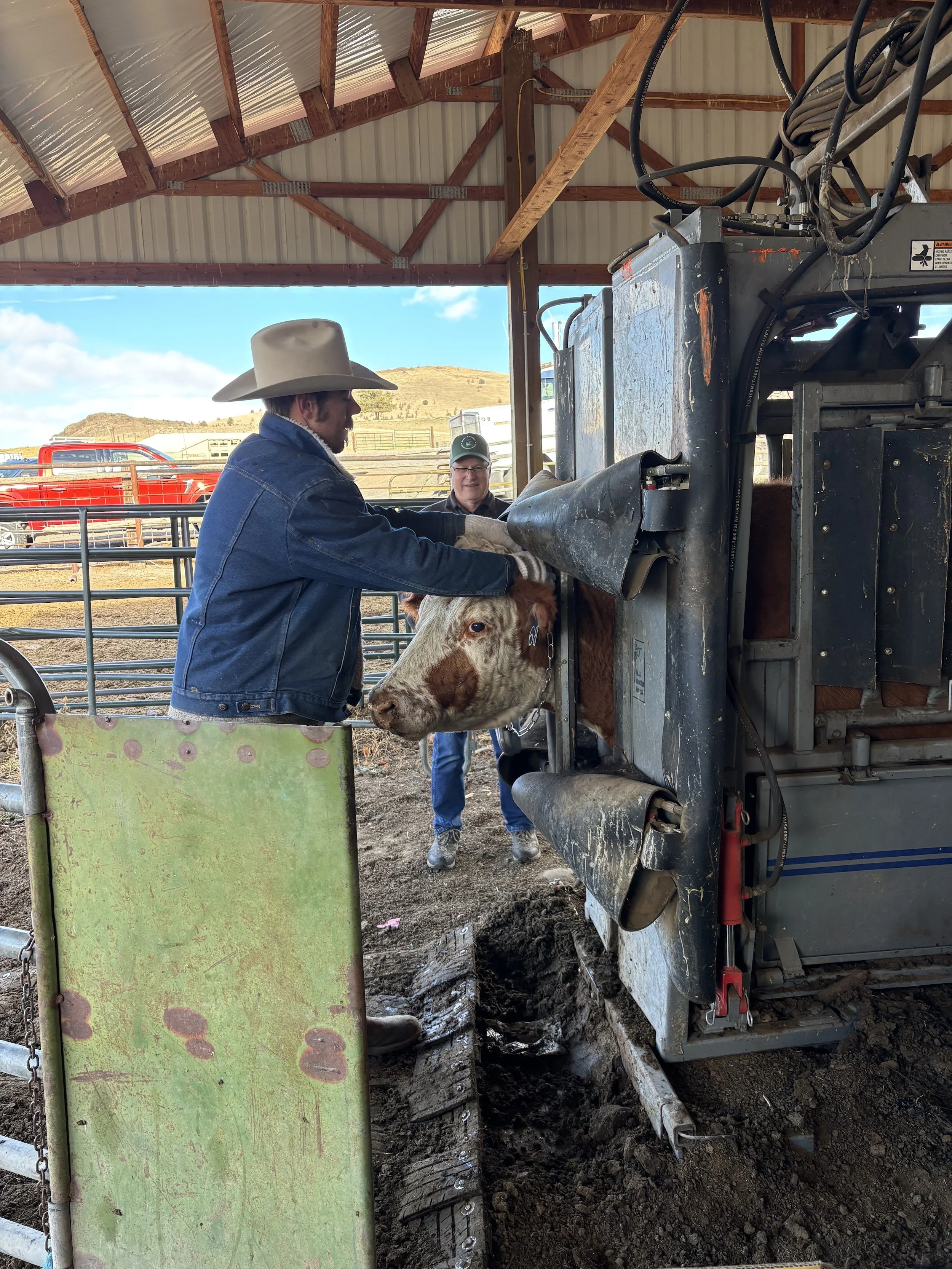
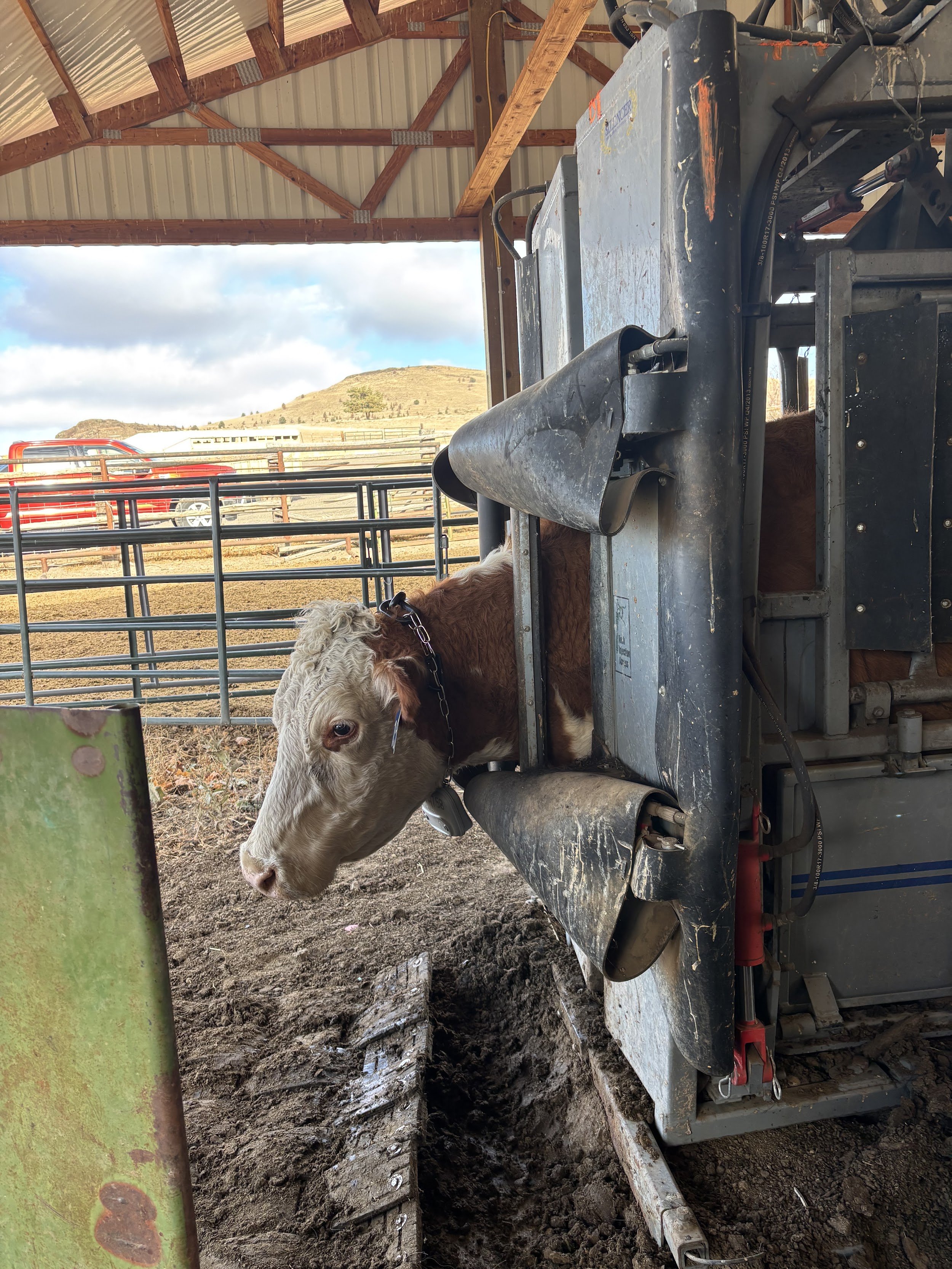
Brandon and Brandy Dalton use virtual fencing and GPS collars, allowing for effective grazing control, herd management, and a healthy landscape.
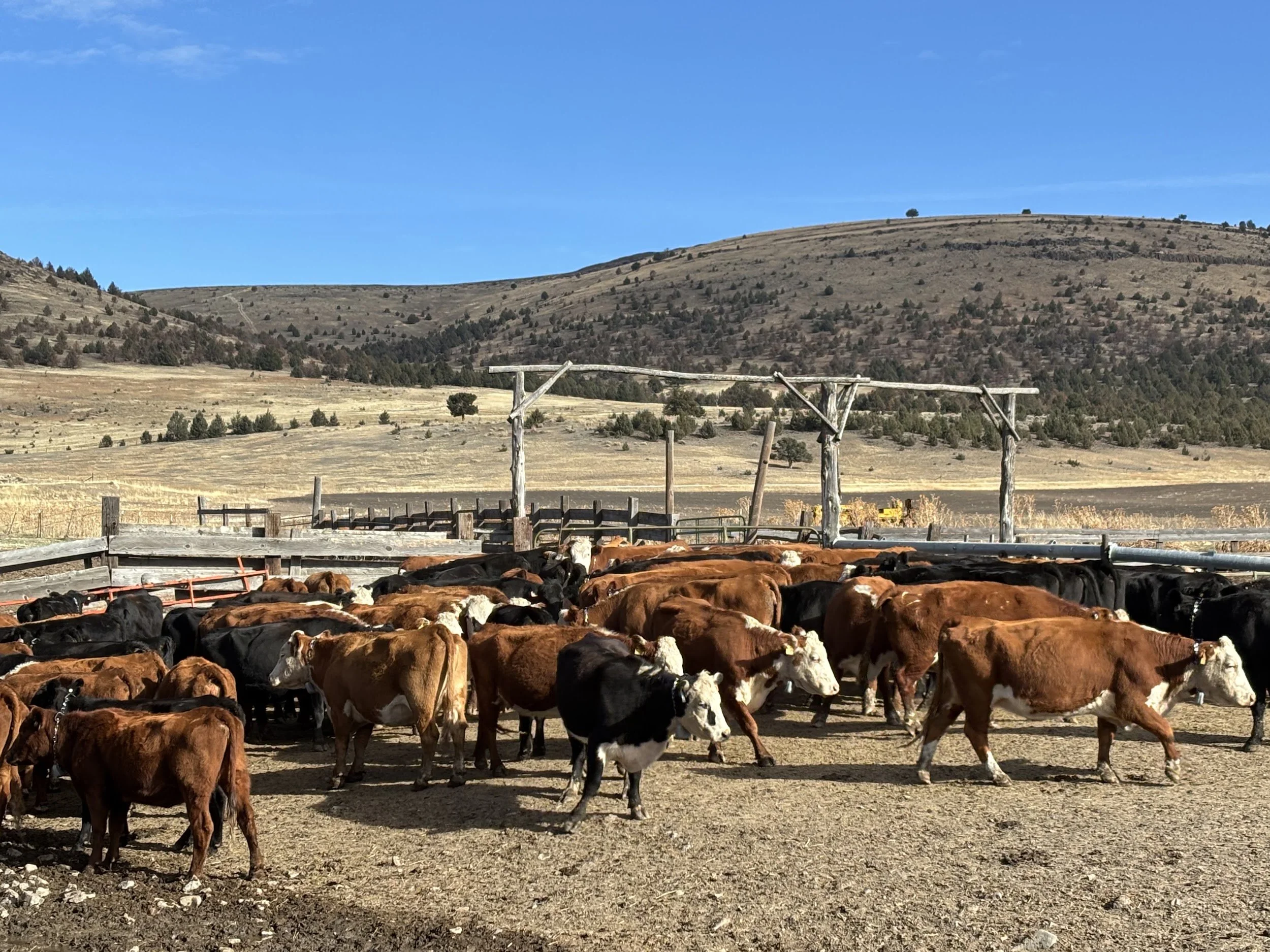
The Daltons lease grazing rights on Six Shooter Ranch in central Oregon. The ranch has a clear mission to improve and sustain land health and wildlife habitat on the property, which closely aligns with the Daltons’ values. The Daltons moved to the ranch in January 2025 as salaried cattle managers, with an understanding that a good first year would open the door to a lease of their own. It did, and now they're custom grazing 400 cattle and running about 100 of their own across a landscape where 25,000 of those acres are completely unfenced.
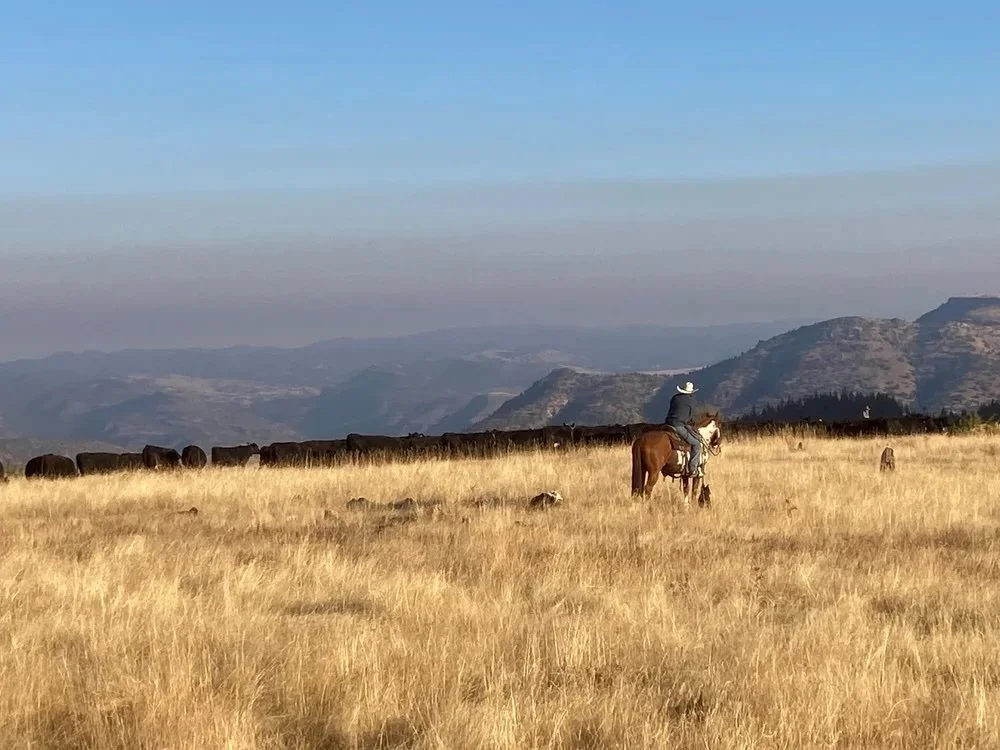
"It's rough country," Brandon says. "Almost nothing flat." The elevation runs from 2,700 to 5,900 feet, and much of it hasn't seen livestock in decades. It’s productive land and thoughtful grazing can help keep invasive plants controlled and support native plants, but until now, it was time consuming and labor intensive to control where cattle went on ground that rugged.
That's where virtual fencing comes in.
Fencing Without Fences
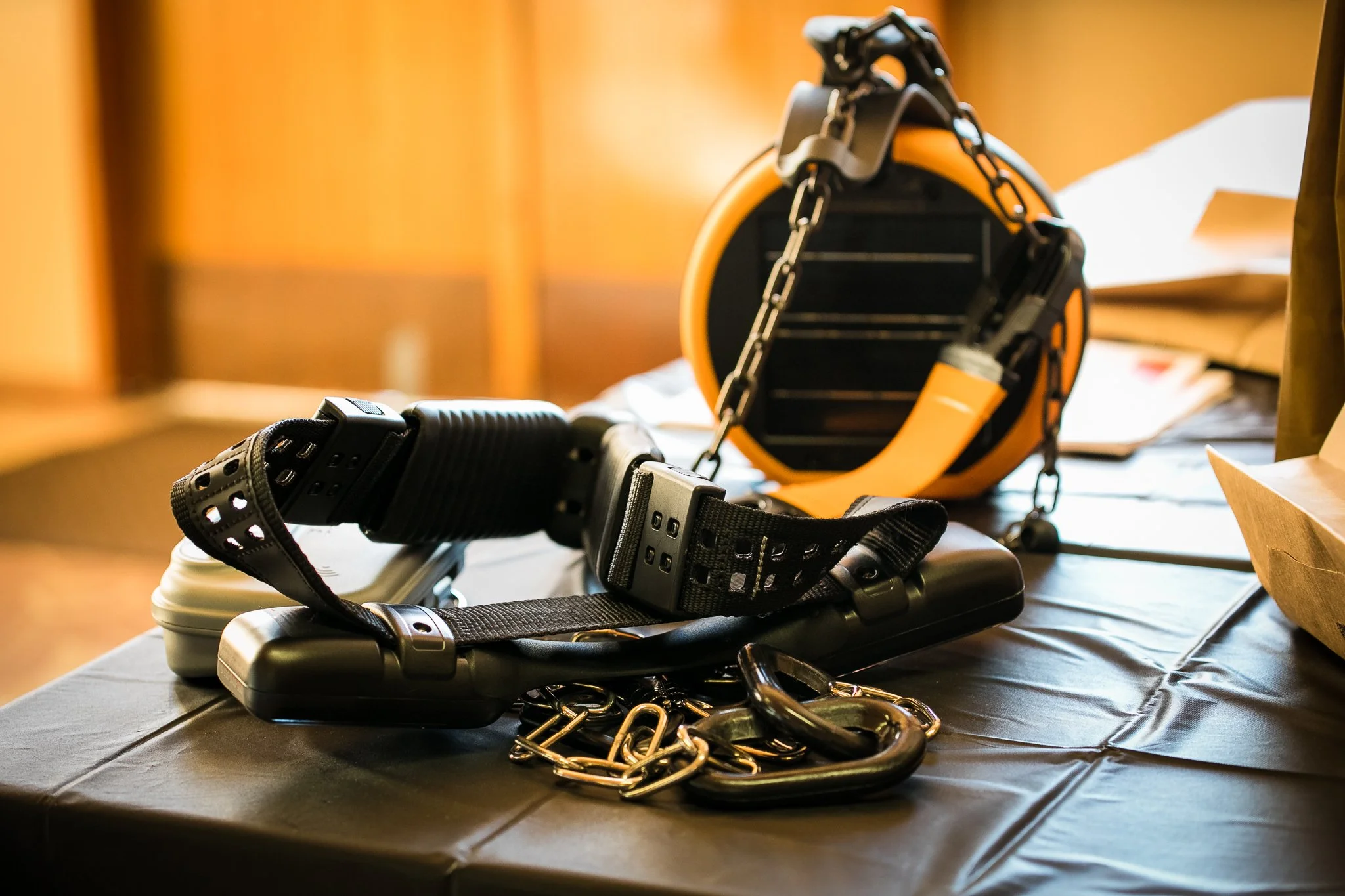
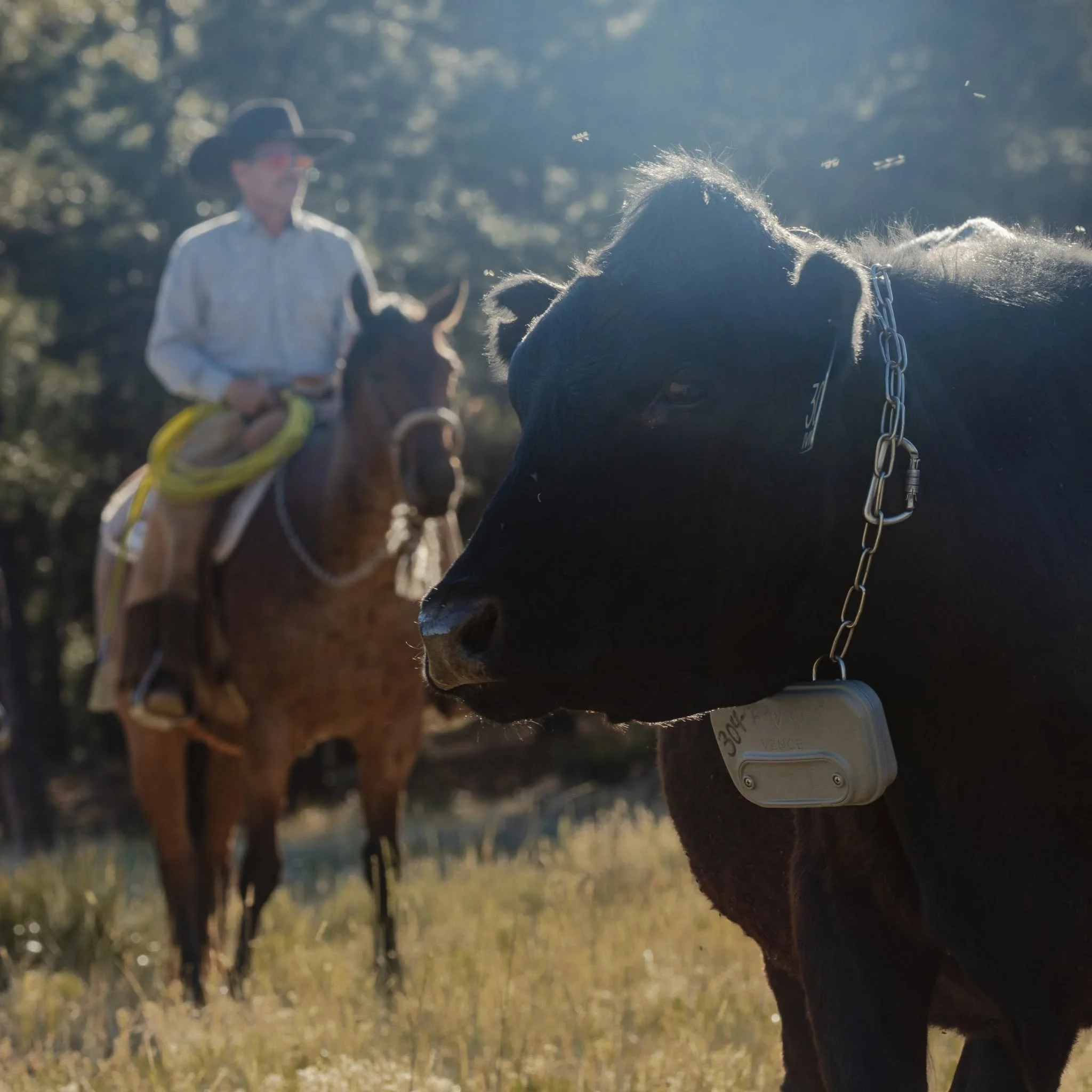
Six Shooter Ranch was an early adopter of Vence collar technology to manage its herd, a tool that lets Brandon draw a pasture boundary on a computer screen instead of stringing wire across a mountainside.
"It's a way to control livestock without the use of permanent barbed wire fences," Brandon explains. "You can determine where they are, for how long, and when. Those are three of the big variables in grazing management."
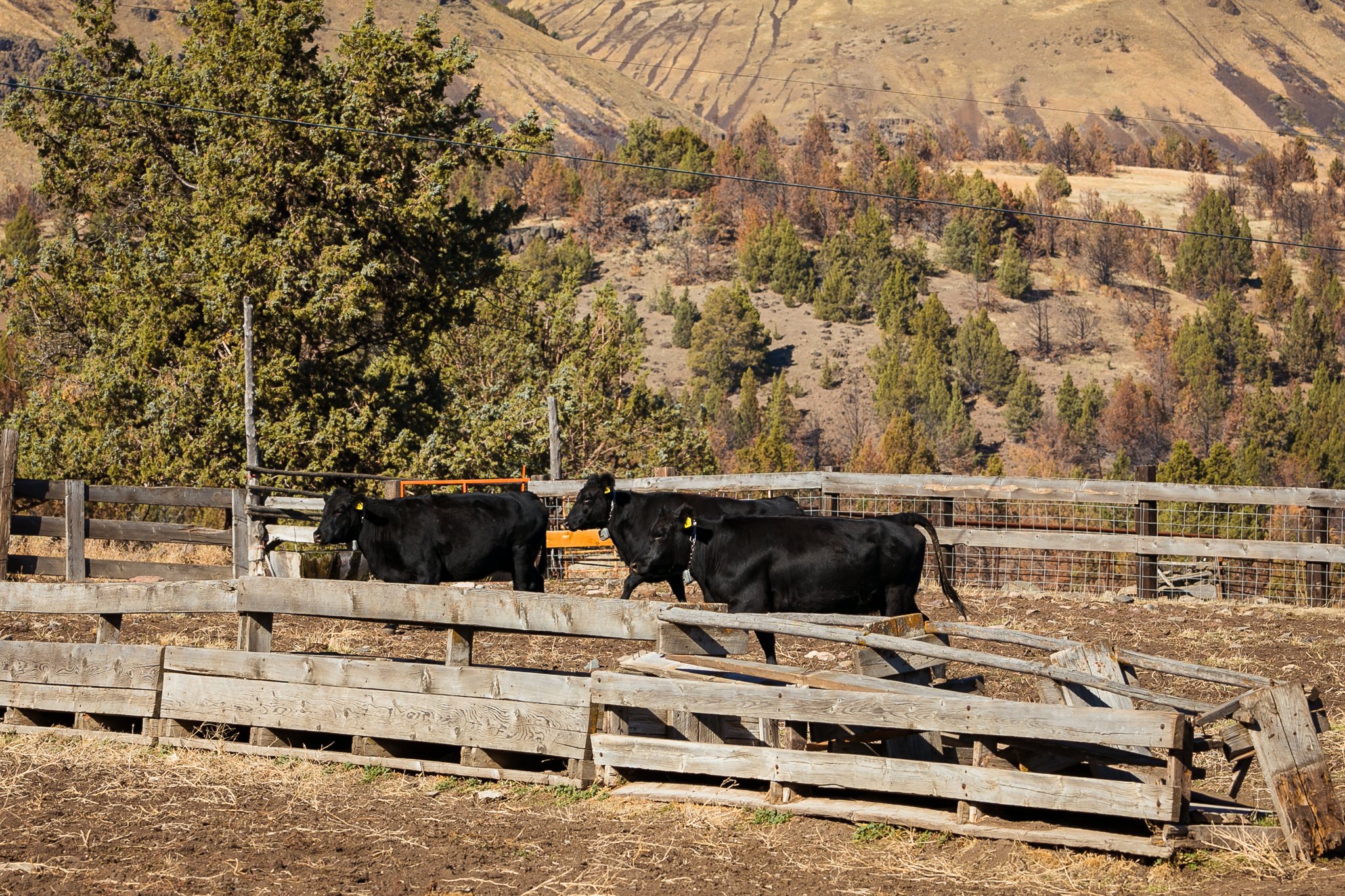
The practical upside is enormous. Cattle can be excluded from sensitive riparian areas and wetlands, and they can be encouraged into places they'd normally avoid altogether. "They will readily climb if they know there is feed up high," Brandon says, "and our cows do that because they know the food is higher."
On a ranch like Six Shooter, where the alternative is either exhausting amounts of human herding or miles of electric fence through timber and scrub, that flexibility isn't a luxury. It's what makes grazing this land possible. "It would be a very different operation at Six Shooter if we didn't have virtual collars," Brandon says.
Grazing With a Purpose
This isn't about convenience. It's about fire and forage. Six Shooter sits in a landscape thick with cheatgrass and medusahead, invasive annual grasses that build up fuel and choke out the native perennials. In September 2024, the Shoofly Fire burned through nearly half the ranch, impacting thousands of acres of timber and rangeland, destroying the old, deteriorating fence within it and forcing the Daltons to rethink grazing patterns almost overnight.
Now they’re using the herd as a tool against exactly that kind of risk. "Across this landscape, all of central Oregon and everywhere I've been with rough country, a lot of areas have tremendous amounts of old dead material," he says. Much of it is bunchgrasses with dead centers, fuel for megafires. Targeted spring grazing knocks that material back and lets the grass regrow, which has two benefits: less fuel for the next fire, and better forage for wildlife. As one of Sustainable Northwest’s first regenerative ranching partners, Six Shooter also monitors ecological outcomes through five Grazewell sites tracking carbon sequestration, plant diversity, water cycling, and nutrient cycling.
Meeting Skepticism Head-On
None of this has come without pushback. Running more cattle than the ranch has carried in recent years is not always popular, and some are skeptical that the land can carry the number of cattle Six Shooter is running.
Brandon doesn't dismiss the skepticism. He's spent years consulting with ranchers on the financial and operational risk of exactly this kind of change, and he knows what's at stake if it goes wrong. "If you're going to change your grazing management and stocking rate, you need to have very good reasons for doing that. You have to pay close attention to what's working and what's not."
That attention is the real work virtual fencing can't replace. "I think it's a mistake to go to virtual fencing and assume that you don't need to pay close attention," he says. "It still takes a lot of cerebral input." The technology of virtual fencing opens doors. But the grazing plan is a crucial factor that matches animal performance to plant recovery to the realities of the terrain, and tells you how to use the technology well.
Why The Daltons Do It
Twenty years into a career that's taken Brandon from Wyoming to New Zealand and back, his answer for why regenerative grazing matters is disarmingly simple: it works, and it's fun.
"There is so much negativity in agriculture," he says. "But this is extremely creative. It's fun to be creative. It's fun and creative to learn how to move cows across this landscape." He points to a formative piece of advice from a college professor: build a career around work that lets you be creative every day. Moving 500 head of cattle across unfenced mountain terrain qualifies for Brandon.
He's also candid about the industry's bigger challenge. “The age demographic is a concern," he says. "We've been losing the younger generation for decades now. What's the attractive way in for young producers?" Brandon didn't grow up ranching; he found his way in through a father-in-law, a stint managing goats on weed-infested rangeland in Montana and Wyoming, and several essential mentors. "I almost didn't survive in this field," he says. "How do you bring more people in?"
For Brandon, the answer to both the land question and the people question comes back to the same idea: find what's working, get close to it, and build toward it. "Work toward what you want rather than against what you don't want," he says. "We all want healthy land and healthy animals and healthy communities. I'd like to see us be more balanced."
On 38,000 acres of central Oregon rangeland, one collar-guided herd at a time, that's exactly what he's doing.
If you want to support this work, you can join The Tree Rings by making a recurring donation to Sustainable Northwest. Click here and select the option to make your gift monthly. Thank you!
Frequently Asked Questions
-
Virtual fencing is a way to control livestock without permanent barbed wire fences. Ranchers draw a pasture boundary on a computer screen, and GPS collars like the Vence collars used at Six Shooter Ranch keep cattle within it, letting ranchers determine where cattle graze, for how long, and when.
-
Brandon and Brandy Dalton use Vence GPS collars to manage cattle across rugged central Oregon terrain, including 25,000 completely unfenced acres. The collars let them keep cattle out of sensitive riparian areas and wetlands and encourage them into higher country they would normally avoid.
-
Targeted spring grazing knocks back invasive annual grasses like cheatgrass and medusahead, along with old dead material in bunchgrasses that fuels megafires, and lets the grass regrow. The result is less fuel for the next fire and better forage for wildlife.
-
In September 2024, the Shoofly Fire burned through nearly half the ranch, impacting thousands of acres of timber and rangeland and destroying the old, deteriorating fence within it. It forced the Daltons to rethink grazing patterns almost overnight.
-
No. Brandon Dalton says it is a mistake to switch to virtual fencing and assume you no longer need to pay close attention. A grazing plan that matches animal performance to plant recovery and the realities of the terrain is still what tells you how to use the technology well.
-
As one of Sustainable Northwest’s first regenerative ranching partners, Six Shooter Ranch monitors ecological outcomes through five Grazewell sites tracking carbon sequestration, plant diversity, water cycling, and nutrient cycling.
All photo credits: Six Shooter Ranch, Sustainable Northwest, Ford Family Foundation, and Vence.
