From Forest to Faucet: Rockaway Beach Chooses a Nature-Based Solution for Drinking Water
The City of Rockaway Beach will purchase 800 acres of forestland containing much of the City’s drinking watershed.
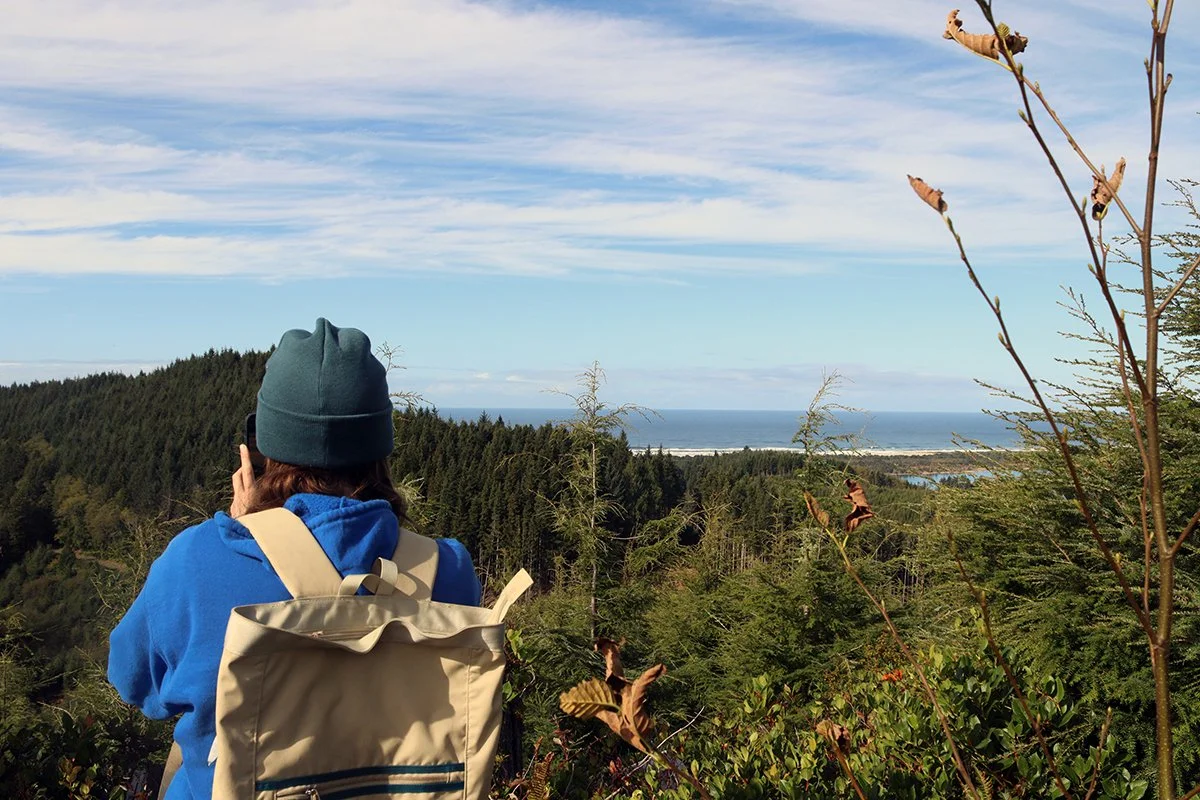
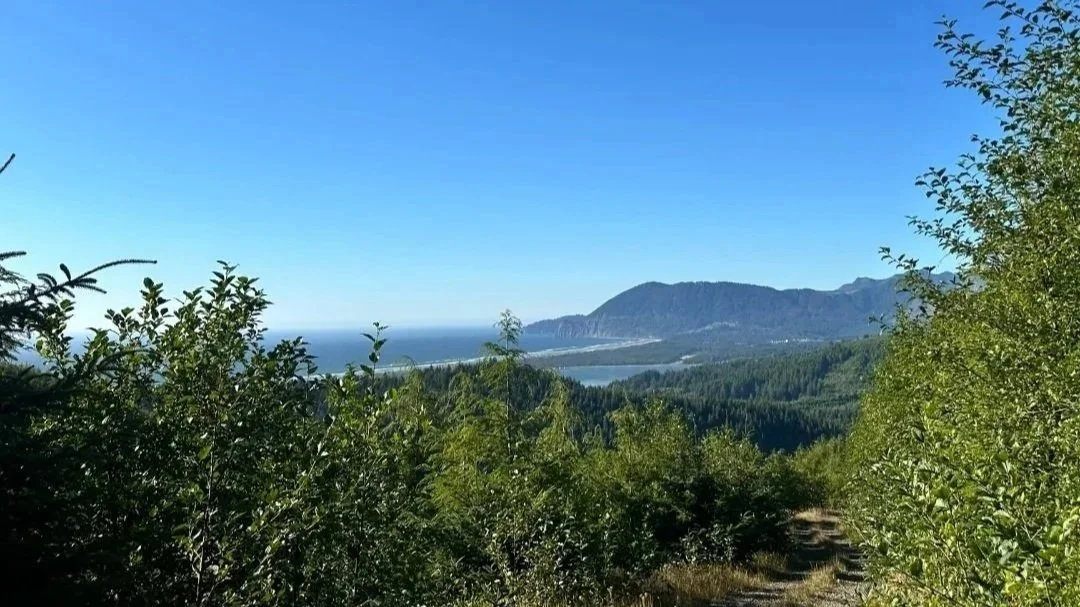
A view of the lower Jetty Creek watershed and the Pacific Ocean, a few miles east of the City of Rockaway Beach. Photo courtesy of Coalition of Oregon Land Trusts.
On the Oregon Coast, the City of Rockaway Beach is taking a proactive approach toward securing its water future.
After years of discussion and planning, the City is purchasing 800 acres of forestland from Nuveen and setting it aside for drinking water protection and recreation. As many community members have noted, they can’t buy another drinking watershed. This is the one, and conserving it for clean drinking water makes long-term financial and environmental sense.
The negotiation and agreement were supported by Daniel Wear, Sustainable Northwest’s community forest program manager, who also coordinates the Northwest Community Forest Coalition. “This is a reminder that long-term land stewardship and economic stability can go hand in hand,” Wear said.
“One of the city’s priorities is to ensure we are providing residents and visitors with clean, safe, reliable, and affordable drinking water,” said Mayor Charles McNeilly. “This purchase allows us to do that without increasing rates or taxes. And we will be adding recreation opportunities on the property outside of our drinking watershed, which will support tourism.”
Protecting Water at the Source
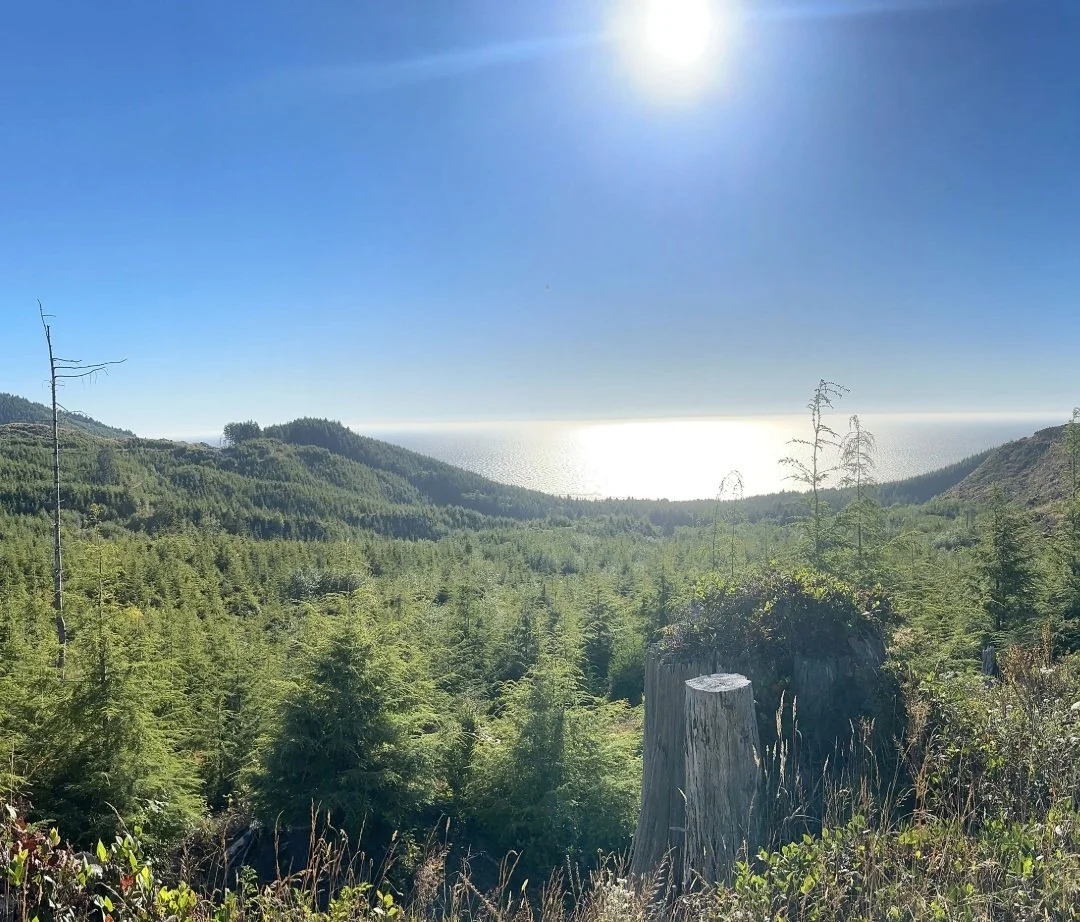
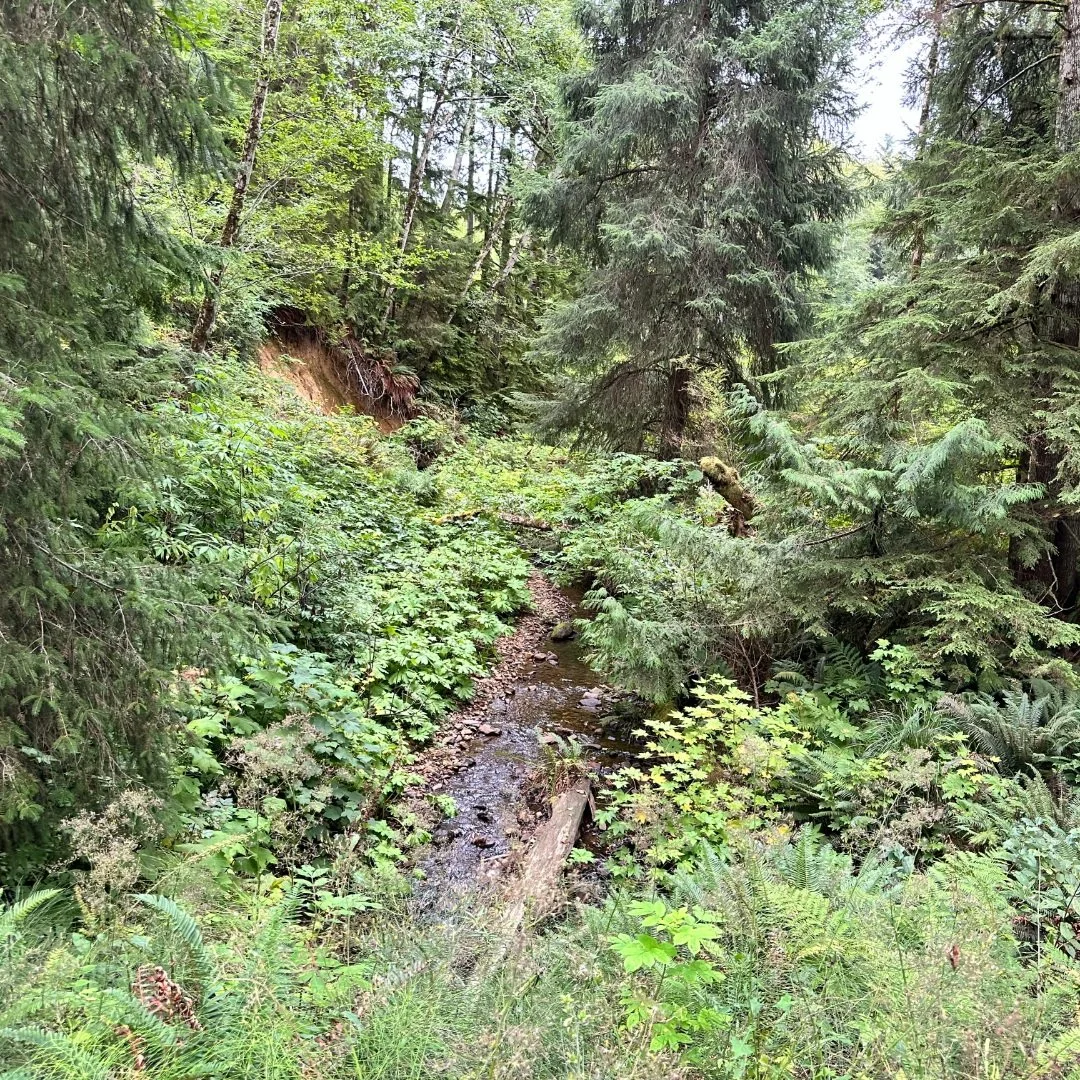
The agreement centers on approximately 800 acres of forestland, 600 of which feed directly into lower Jetty Creek, Rockaway Beach’s primary drinking water source. By moving toward public ownership, the City will implement their management goals to keep water clean as it flows through the forest rather than relying on the management of a private landowner. The other 200 acres are outside the drinking watershed and the City plans to develop a trail system to provide more accessible outdoor spaces to their community.
This approach to locally led conservation is both practical and preventative. Forested watersheds naturally filter sediment and pollutants, helping to maintain water quality while reducing long-term infrastructure costs. Moreover, maintaining a healthy, forested watershed is one of the most reliable ways to provide consistent, clean, affordable drinking water over time as communities across the region face increasing environmental pressure.
The purchase price of $4.35 million will be covered in large part by state funding – including $1.25 million from the Oregon Watershed Enhancement Board’s Drinking Water Source Protection Program, and another $1.55 million through loan forgiveness from the Oregon Department of Environmental Quality (DEQ). The remaining $1.55 million will be paid via a loan from DEQ, which the City will repay over 30 years. Through financial planning done by City staff, this acquisition will not increase water rates throughout the lifetime of the loan.
“This is a huge win for the city and its residents,” said Sandy Johnson, a local community member involved in the project. “It is much more cost efficient to buy a watershed than to find a different watershed and alternative water supply. It’s also better for our local economy, tourism, and recreation. This is a win-win.”
A Collaborative Community-Led Effort
This moment is the result of sustained collaboration. Local leaders, partners, and land managers have worked together to shape a shared vision for the watershed that balances environmental stewardship with community priorities.
Ongoing efforts in the area have included habitat restoration, forest health practices, and strategies that support fish, wildlife, and working lands. These approaches reflect a broader understanding that conservation and economic vitality are deeply connected.
“Stewardship is about responsibility and trust,” said Kevin Brown, Regional Manager for Nuveen. “By partnering with the City of Rockaway Beach, conservation organizations, and the local community, we’ve been able to manage these forests in a way that protects clean drinking water, restores salmon habitat, and keeps working forests viable. This purchase represents the culmination of years of trust and collaboration, and we’re proud to have played a role in helping ensure the watershed remains healthy and resilient for generations to come.”
At Sustainable Northwest, this kind of partnership is central to how lasting solutions take shape. When communities lead with shared purpose and local knowledge, it creates outcomes that are both resilient and grounded in place.
Looking Ahead: Community and Climate Benefits
Protecting the watershed also opens the door to additional community benefits. Some of the land being purchased is outside the drinking watershed, and the city plans to manage it for recreational opportunities (200 acres of the 800 total acres purchased). This public access is great for residents as well as visitors, bolstering Rockaway Beach’s tourism industry. At the same time, healthy forests contribute to climate resilience. They store carbon, support biodiversity, and, when actively managed, can reduce wildfire risk.
Rockaway Beach’s decision to invest in its watershed offers a clear example of what community-led resilience can look like in practice. By protecting the land that protects their water, the city is securing a vital resource while strengthening the connection between forests, people, and local economies.
The City of Rockaway Beach and Nuveen plan to close the sale by the end of 2026. The City is currently securing funds to develop a management plan for the 200 acres of forest outside the Jetty Creek watershed, to be managed for hiking and biking.
“This is the kind of project that defines a community’s legacy,” said City Manager Luke Shepard. “It’s about making decisions today that will serve future generations of Rockaway Beach Residents and ensure our City continues to thrive long into the future.”
Want to support more solutions like this?
Donate to Sustainable Northwest.
Frequently Asked Questions
-
No. This purchase allows the city to keep water costs low, because purchasing and conserving this land is a less expensive way to provide clean drinking water to residents and visitors when compared to the cost of additional infrastructure investments for water treatment.
-
Following the acquisition, the City will develop a recreation and public access plan, to allow continued public access to the property. As currently permitted, the City will continue to allow light, non-motorized recreation and intends to develop a system of trails on portions of the property that will not impact water quality.
-
No. The associated Forest Stewardship Plan does not contain any recommendations for commercial timber harvest on the property. In the future, the city may explore carbon storage credits for the forest as a revenue source.
-
Discussion around the Jetty Creek Watershed has been taking place with L&C/ Nuveen since they acquired the property in 2017. Since 2023, the City has been actively involved in discussions around how best to ensure that the watershed continues to supply clean, safe, reliable drinking water to the city. An acquisition of the drinking watershed was identified as the community’s #1 priority in its recent strategic planning efforts. Following significant community engagement efforts, fundraising, and financial planning, the City and Nuveen are ready to turn this years-long acquisition effort into reality and bring 800-acres of forest land into City ownership.
-
The Jetty Creek watershed covers 1300 acres. The lower 600 acres includes the drinking water intake valve for the City of Rockaway Beach. Jetty Creek flows from the Coast Mountain Range directly into the Pacific Ocean.
The city is also exploring eventually purchasing the upper watershed area, but the recent purchase and sale agreement only covers the lower 600 acres of the watershed, plus another 200 acres over the hill in another watershed, which the city will manage for recreational hiking and biking. -
The contingent purchase and sale agreement includes 600 acres of lower Jetty Creek watershed plus 200 adjacent acres in another watershed, owned and managed currently by L&C Tree Farms LLC (L&C), which Nuveen Natural Capital has managed since its acquisition in 2017. This purchase was made possible through years of collaboration among Nuveen, Sustainable Northwest, North Coast Land Conservancy, and the City, led by the Jetty Creek Working Group.
-
Protecting drinking water at its source is a nature-based solution that not only provides affordable, clean drinking water, it also provides clean air, carbon sequestration, wildlife habitat, and recreational benefits. Building and maintaining filtration plants is increasingly expensive. Protecting the forested area that supplies the drinking water is a long-term solution that, if the forest is managed for the purpose of drinking water, will provide clean drinking water for generations even in the face of increasing environmental pressures.
-
Protecting drinking water at its source is a nature-based solution that not only provides affordable, clean drinking water, it also provides clean air, carbon sequestration, wildlife habitat, and recreational benefits. Building and maintaining filtration plants is increasingly expensive. Protecting the forested area that supplies the drinking water is a long-term solution that, if the forest is managed for the purpose of drinking water, will provide clean drinking water for generations even in the face of increasing environmental pressures.