By Alex Clingman, Clean Energy Program Manager

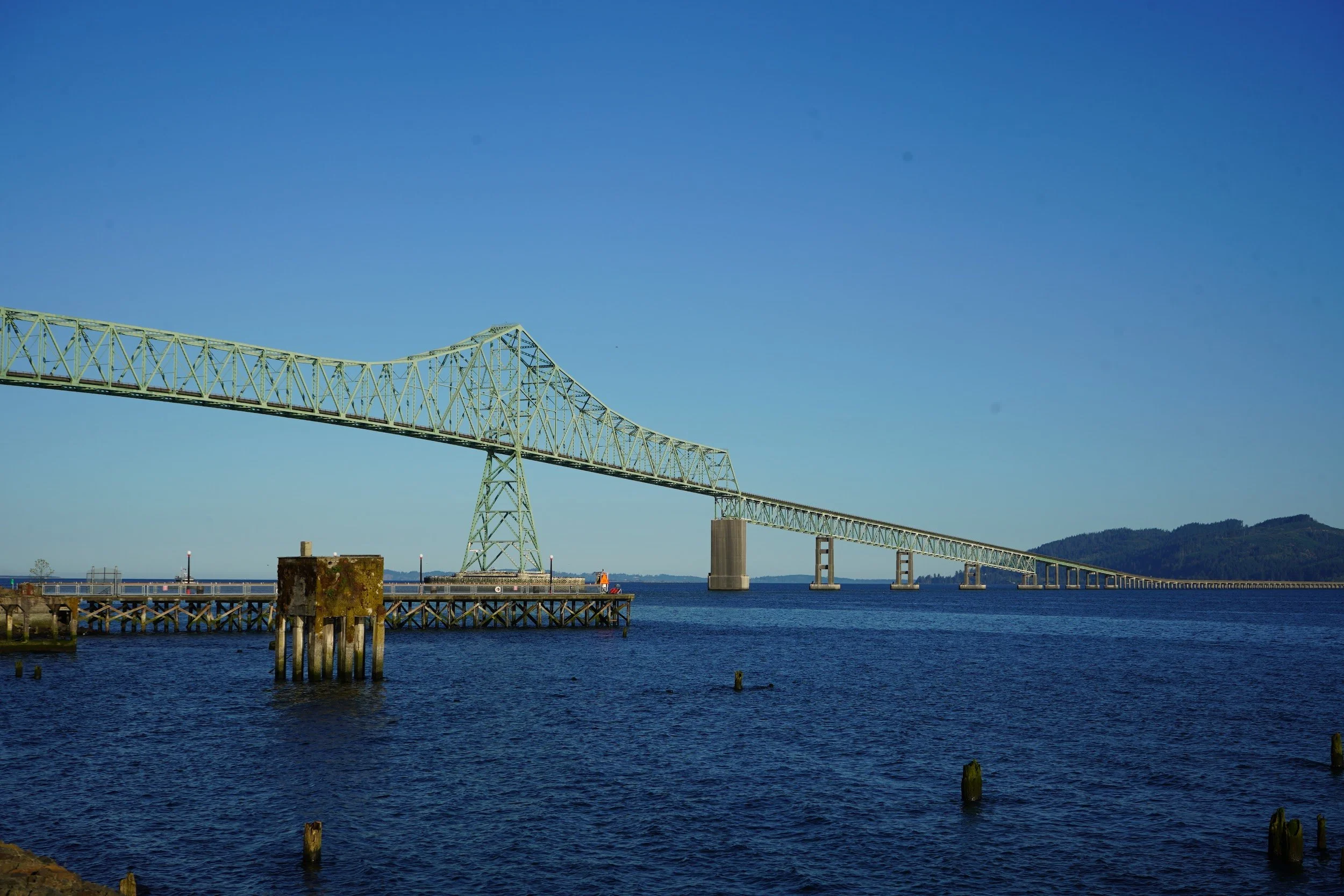
All signs are pointing to autumn: salmon in the rivers, apples on the ground while wood piles lumber under golden groves, and the 11th annual Fall Energy Symposium in the books! In the spirit of the season, I’d like to offer reflections on another sold-out event that took place in Astoria, Oregon September 17th and 18th, including some takeaways that stood out to me:
5 Key Takeaways from the 2026 Fall Energy Symposium
“What’s good for the fish is good for the people.” These words from Christine Golightly and Columbia River Inter-Tribal Fish Commission’s Energy Vision are still echoing in my ears. Oregon’s energy future requires balancing economic development and reliability with affordability, Tribal sovereignty, agriculture, salmon, and ecosystem health;
Resilience is about local communities. Resilience ultimately means protecting communities, quality of life, and the places people depend on; local knowledge and trust are essential to getting there;
We need to rethink how we use energy, not just how much we build. Reducing peak and overall demand, expanding distributed resources, and making better use of existing infrastructure can help address growing demand while reducing pressure on ecosystems and the grid;
Plans need pathways to implementation. Durable progress depends on strong partnerships, layered funding, community-driven priorities, and better coordination across utilities, state agencies, nonprofits, Tribes, and local governments; and,
Oregon’s systems need to catch up to the scale of the challenge. Transmission, permitting, land use, and state funding systems were not designed for the projected growth in energy demand or the reality of natural disasters; speakers called for more coordinated, long-term approaches.
VIP Sustainability Field Tour at Fort George Brewery
Programming got underway early Wednesday morning with a group heading down to the Columbia River for a VIP Sustainability Field Tour with Brad Dupoyt, VP of Fort George Brewery. From Certified Ocean Friendly restaurants to the state’s largest privately owned solar-powered production brewery, The Fort has been growing and supporting their community for almost 20 years. By investing in sustainable infrastructure like nitrogen generation and CO2 recapture, sourcing local ingredients and working with community non-profits, we saw firsthand how their team is making one of the most sustainable pints of beer in the country.
“Sustainability isn’t about the word today, it’s not about increasing short term profits or marketing; it is about how we leave this world for tomorrow,” stressed Brad.
Conference Day Highlights: Resilience, the Grid, and Community Projects
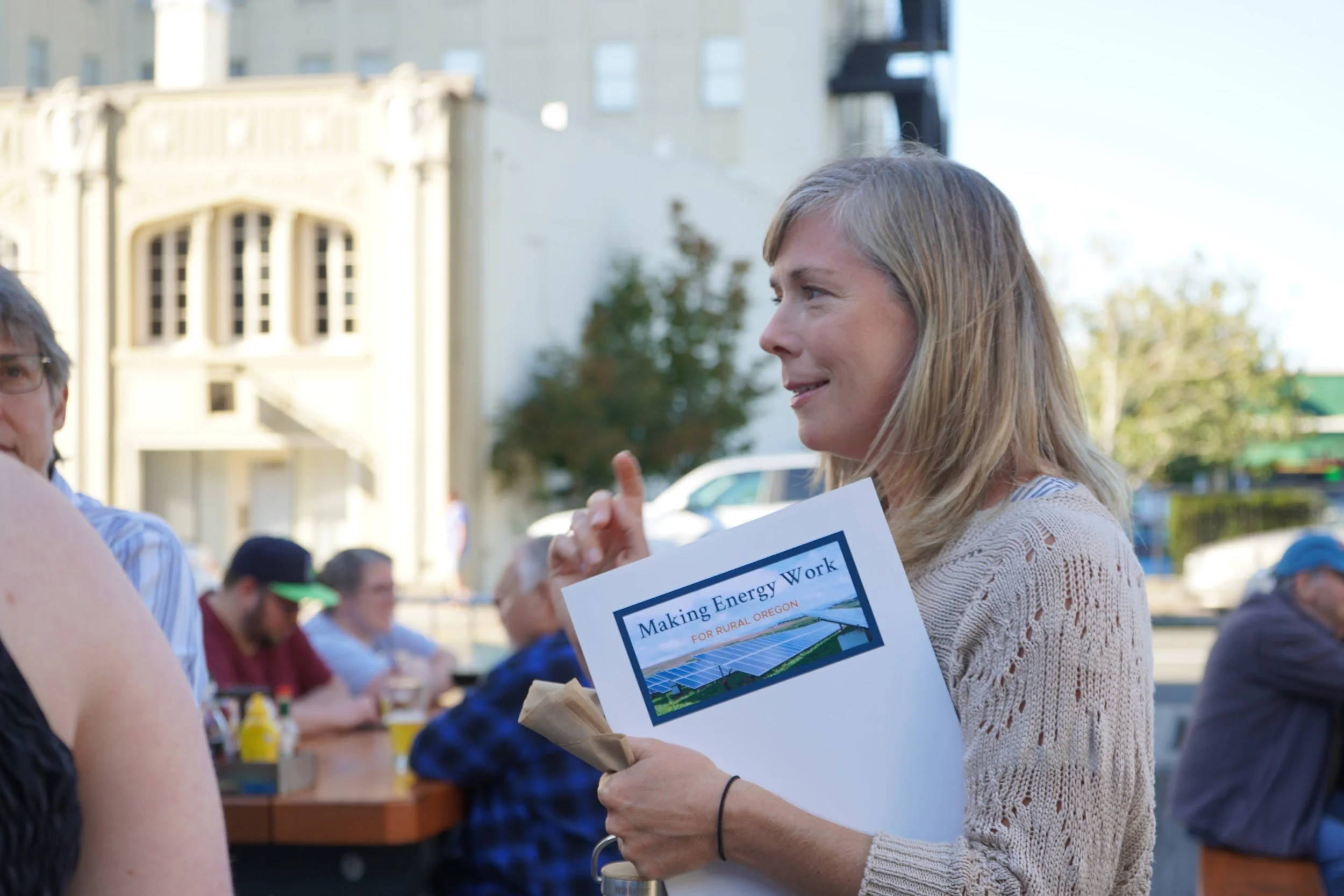
Following the tour, we made our way up the hill to Historic Downtown for the Conference Day at Fort George Brewery’s Lovell Showroom. Over one hundred attendees from across the region filled the room with coffee and pastries in hand, eager for the presentations, panels, and programming to come. Highlights included:
The stage was set by Keynote Speaker Graham Klag (North Coast Watershed Association) with his remarks aptly titled Conservation of Energy. He called for a paradigm shift to move away from a historically extractive energy economy (think beaver pelts, industrial canning lines, and old growth logging) to one centered on conservation. This “give” versus “take” approach, Klag emphasized, has the power to help us restore local ecosystems, economies, and cultural values.
We continued to explore throughlines of these themes with the Plenary Panel #1 on coastal resilience. Speakers included DJennyfer de Melo Berg (Necanicum Watershed Council), Ken Picard (Red Plains Professional), Angela Long (Rockcress Consulting), and Brendan Irsfeld (Lane County Office of Emergency Management) with the conversation moderated by Eriq Acosta (Spark Northwest). The group encouraged communities to identify the specific dimensions of resilience they’re pursuing—including energy, climate, household, and community—and to tackle them individually rather than as a single, broad concept. It also became clear that building resilience requires more than infrastructure and funding—it depends on relationships, community trust, and solutions shaped by local priorities.
With a sense of place established, the program progressed to Panel #2 on the grid reimagined. Panelists included Christine Golightly (Columbia River Inter-Tribal Fish Commission), Ruchi Sadhir (Oregon Department of Energy), Michael Kluz (Wy’East Resource Conservation & Development), and Dain Nestel (Escend) and was moderated by Joshua Basofin (Climate Solutions). The group discussed a variety of challenges (like rapid load growth, transmission and interconnection bottlenecks, and the toll of grid disruptions) facing the Pacific Northwest, and importantly, how to achieve a vision of a clean, affordable, and reliable grid. It was underlined that meeting future electricity demand may require more than just building new transmission; load flexibility, virtual power plants, distributed resources, and smarter use of existing infrastructure will also play an important role.
The final conversation moved downstream to Panel #3 focused on community engagement and project implementation. The group was composed of Shelby Knight (Central Oregon Intergovernmental Council), Brad Moore (RPW Energy), Gabe Jacobsen (Jacobsen Salt Co.), and Lucinda Taylor (Habitat for Humanity of Lincoln County) with Gabby Rhett (Energy Trust of Oregon) moderating. Panelists encouraged the audience to start with the ‘why’ when approaching collaboration. This, they explained, helps establish shared purpose and values before determining the ‘hows, whos, and whats’ of a project. The broad discussion encompassed how partners can cross the bridge from planning to implementation regardless of a particular technology, industry, or population. It became evident that trust is a form of infrastructure: durable community change depends on relationships, local knowledge, and partnerships in which everyone has a meaningful role.
With panel presentations concluded, we headed out into a sunny courtyard for a Wrap-up Exercise led by Laura Green (Energy Trust of Oregon). Together, we shared key learnings, themes, and inspiring stories we’d share with loved ones upon returning home.
Evening Reception with Rep. Mark Gamba
A short break brought us to the Evening Reception at Fort George’s Lovell Brewery accompanied by local craft refreshments and food. We were joined by Oregon State Representative Mark Gamba (Chair of the House Committee on Climate, Energy, and Environment) who delivered closing remarks. Rep. Gamba stressed that Oregon will need to rethink how it plans, permits, and pays for clean energy and infrastructure—aligning land use, transmission, funding, and climate priorities to meet the scale of future needs. He ended with a call to action for the coalition to continue making positive impacts in their communities. “Turn around and look in the mirror,” he said, “you all are the heroes.”




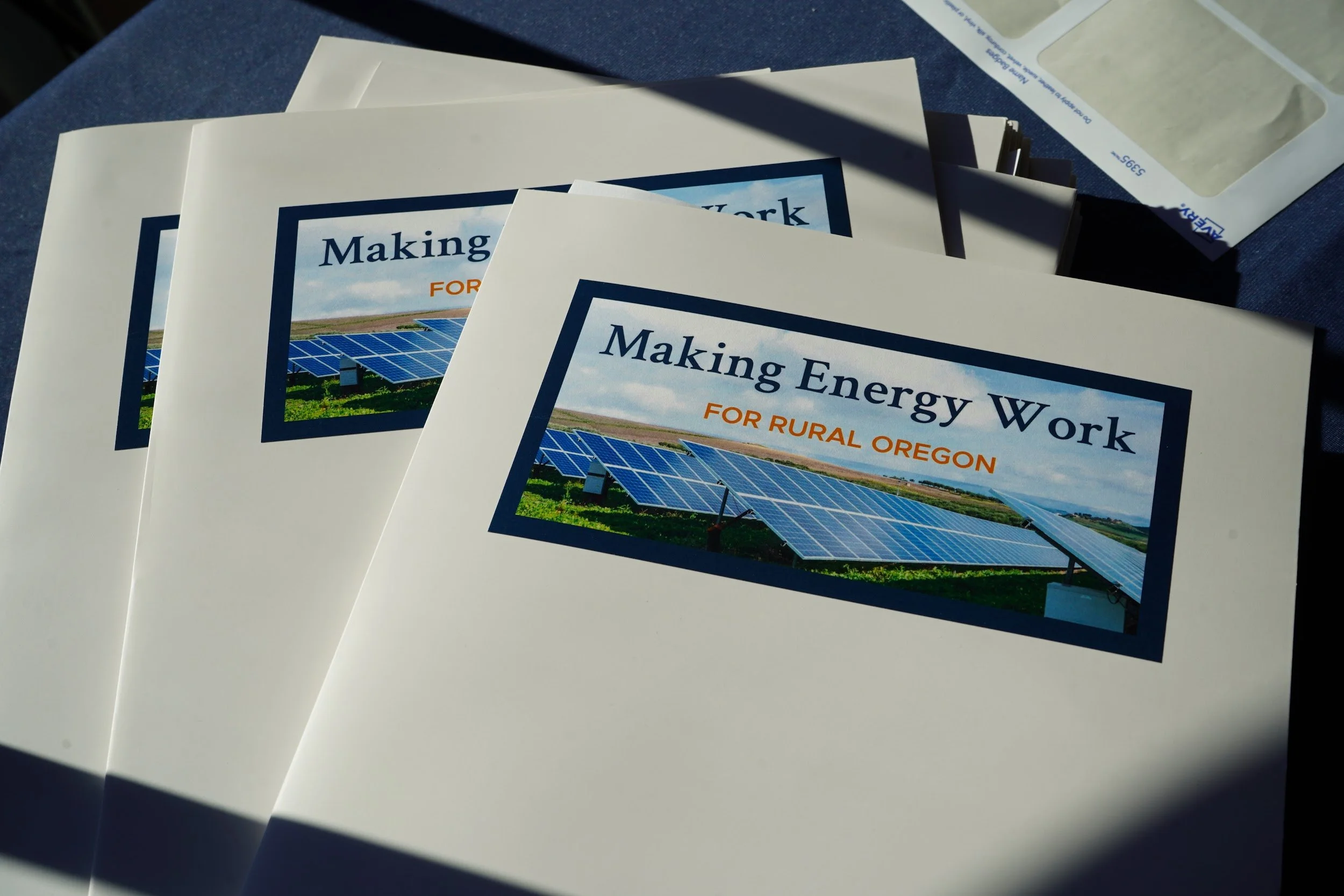
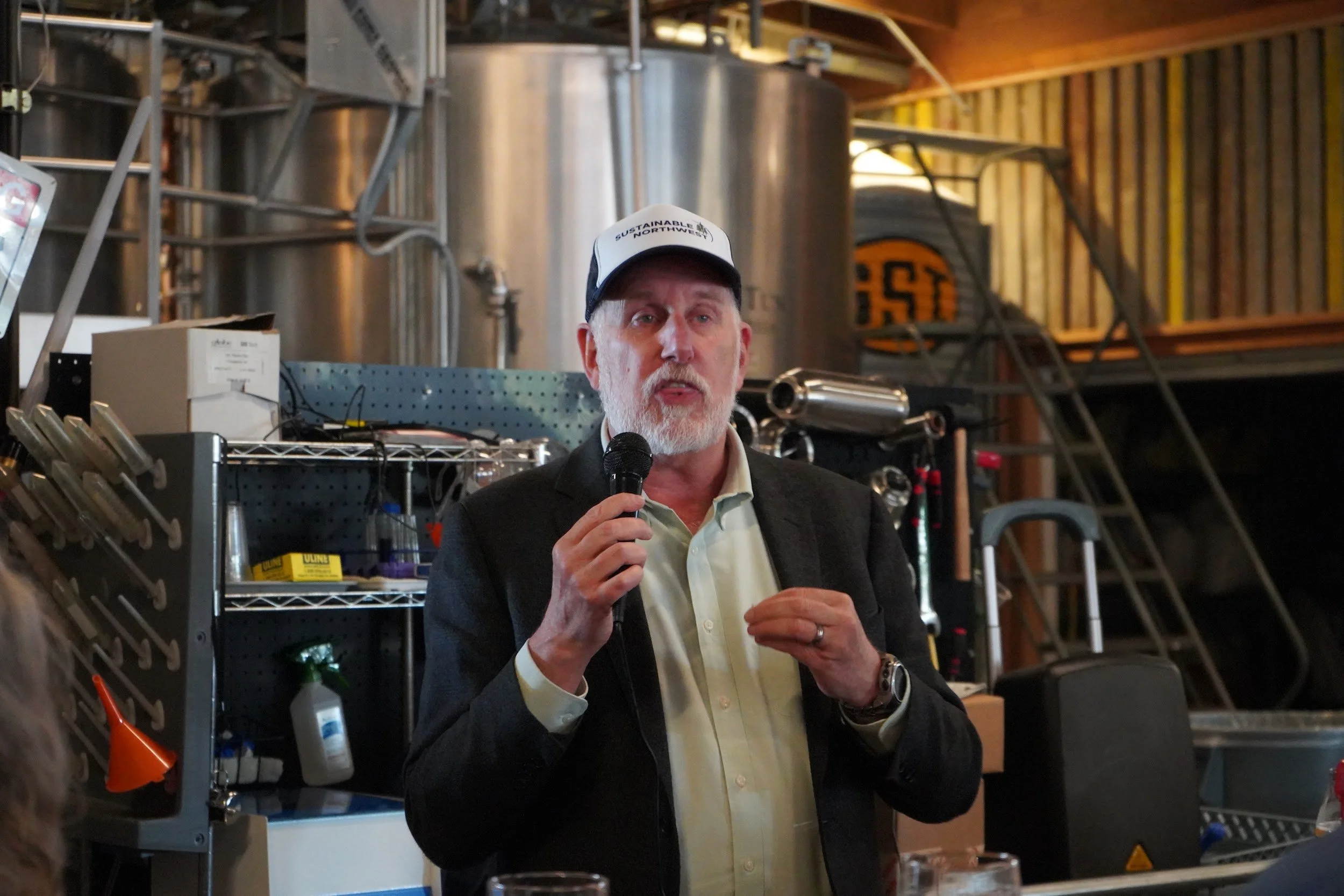

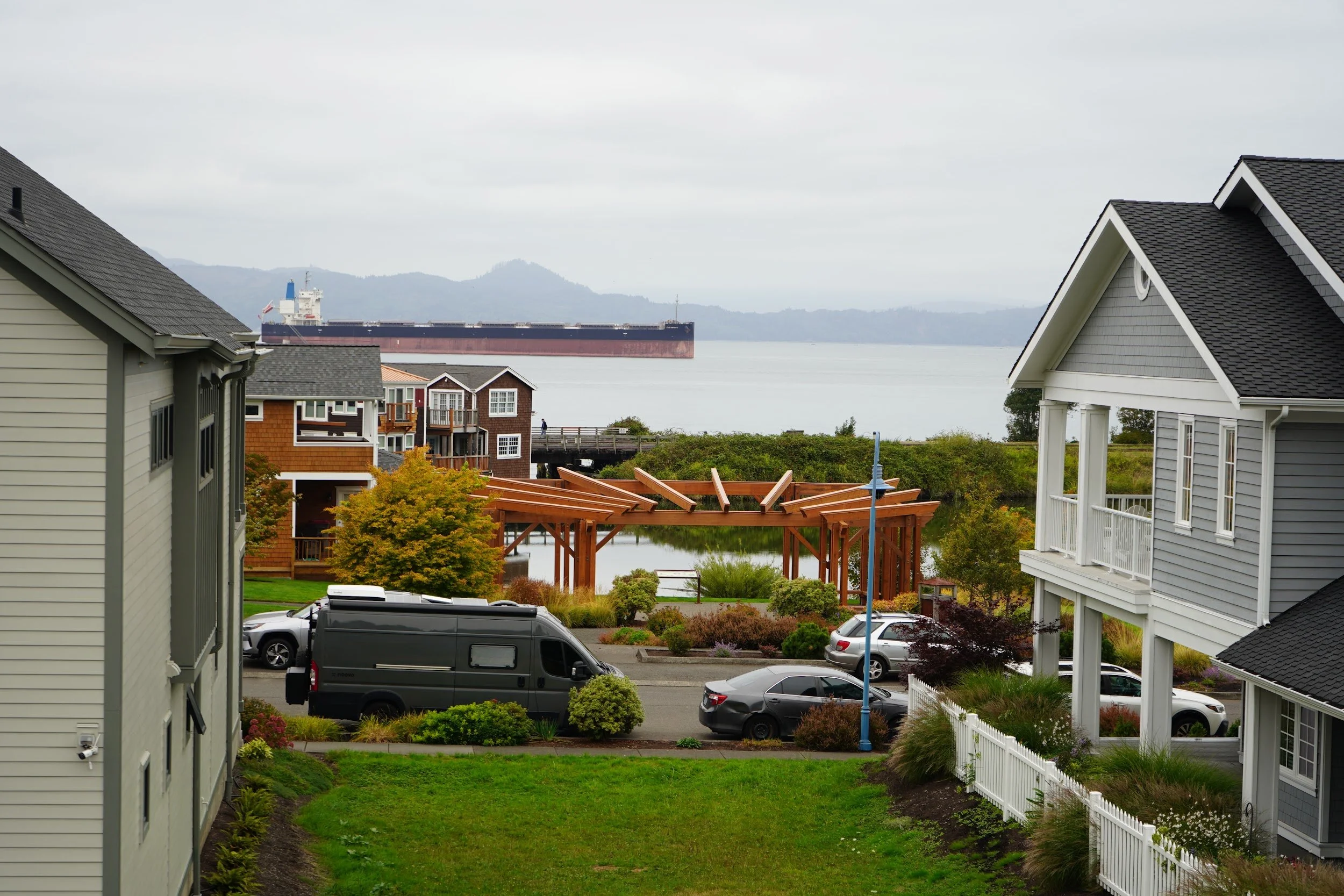

Field Tours: Astoria Co+op and Casa Mariposa
On Friday morning, attendees gathered for Field Tour 1 at Astoria Co+op with Matthew Stanley (General Manager), Emily Hoard (Marketing Director), and Becky Graham (Greenskeeper). We learned about the evolution of the community-owned grocery store that has been serving the North Coast for over 50 years. Focuses included building and energy efficiency design, electric vehicle charging stations, solar array and on-site generation, a heat-recovery system, and pollinator-friendly native landscaping. Many attendees also took an opportunity to buy some local produce and snacks for the weekend.
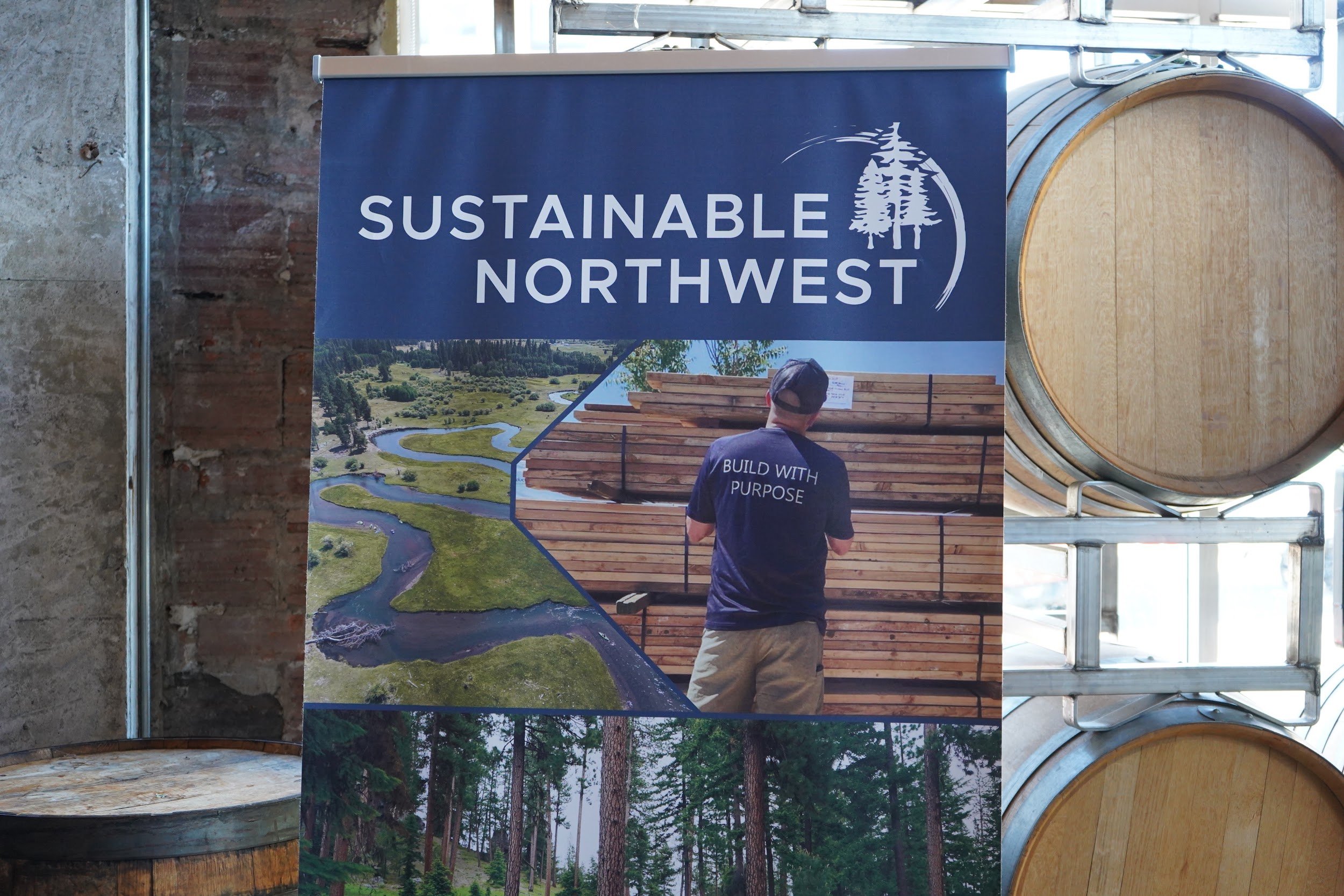
Our final stop for Field Tour 2 was at Consejo Hispano’s Casa Mariposa with Jenny Pool Radway (Executive Director) and her team. We explored the origins of this vibrant community and cultural center which now serves as a multipurpose hub offering vital social services, financial literacy initiatives, youth programs, emergency cold-weather shelter, and more. The group also heard from Sustainable Northwest and Willamette Partnership, who are helping the organization retrofit the facility as a true resilience hub with solar, storage, and energy efficiency.
The 2026 Fall Energy Symposium concluded on an appropriately crisp and cloudy afternoon for the season. There is an irreplicable energy created when you get groups like this together to discuss the confluence of resilience, forward-thinking grid planning, and local project implementation. Don’t believe me? Come out next year to find out!
Helpful Resources
Join the Making Energy Work coalition (free) to stay up-to-date with newsletters and upcoming events!
Panel notes (Credit: Elizabeth Nelson, Volunteer)
Learn more about Sustainable Northwest’s Clean Energy program
Read last year’s recap: 5 Takeaways from the 2025 Fall Energy Symposium
If you want to support this work and others like it, you can join The Tree Rings by making a recurring donation to Sustainable Northwest. Click here and select the option to make your gift monthly. Thank you!
Thanks to our sponsors for making the 2026 Fall Energy Symposium possible!
Frequently Asked Questions
-
The Fall Energy Symposium is Sustainable Northwest's annual gathering of the Making Energy Work coalition. It brings together rural energy leaders, Tribes, utilities, state agencies, nonprofits, businesses, and local governments for field tours, panel discussions, and networking focused on clean, affordable, and resilient energy in Oregon. 2026 marked the 11th annual symposium.
-
The 2026 symposium took place September 17–18 in Astoria, Oregon. Conference Day was held at Fort George Brewery's Lovell Showroom, with field tours at Fort George Brewery, Astoria Co+op, and Consejo Hispano's Casa Mariposa.
-
Speakers emphasized that Oregon's energy future must balance reliability and affordability with Tribal sovereignty, salmon, and ecosystem health; that resilience is rooted in local communities; that we need to rethink how we use energy, not just how much we build; that plans need clear pathways to implementation; and that Oregon's transmission, permitting, land use, and funding systems need to catch up to the scale of the challenge.
-
Graham Klag of the North Coast Watershed Association gave the keynote, followed by panels on coastal resilience, the grid reimagined, and community engagement and project implementation, with speakers from the Columbia River Inter-Tribal Fish Commission, Oregon Department of Energy, Energy Trust of Oregon, Climate Solutions, Spark Northwest, and more. Oregon State Representative Mark Gamba delivered closing remarks at the evening reception.
-
The full agenda, Conference Day slide deck, and panel notes are linked in the Helpful Resources section of this post.
-
Join the Making Energy Work coalition for free to receive newsletters and announcements about upcoming events, including next year's Fall Energy Symposium. You can also learn more about Sustainable Northwest's Clean Energy program on our website.
All photo credits: Sustainable Northwest