Turning Overlooked Wood Into Opportunity: A New $1.7M Investment in Tribal-Led Forestry
Sustainable Northwest and Intertribal Timber Council are building demand for Tribal wood, reducing megafire risk, and growing Tribal economies
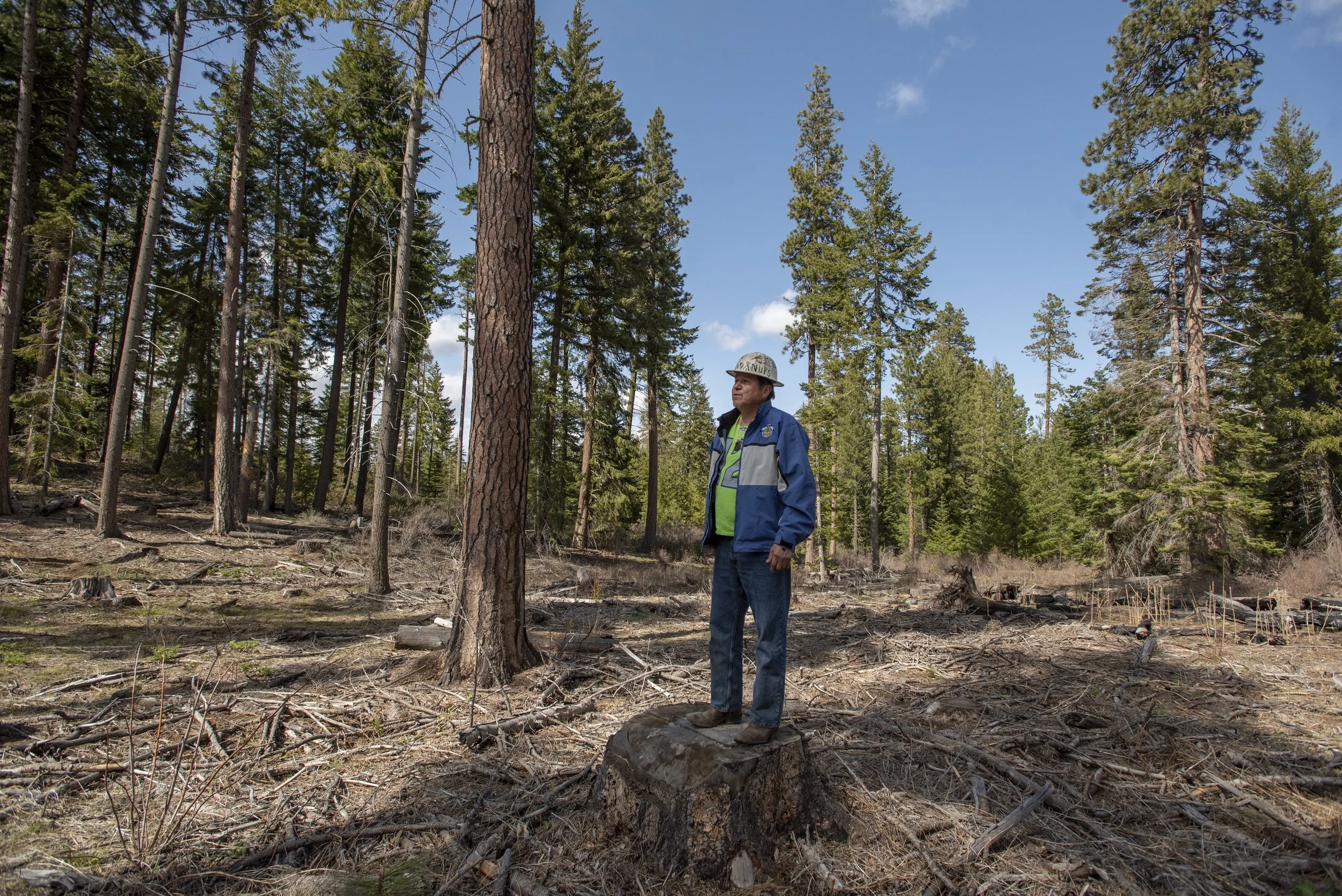
Cecil L. Sanchey Jr, Yakama Nation. Photo credit Hannah Letinich, courtesy Port of Portland.
Across the country, small trees, brush, and low-grade logs pile up in forests as wildfire fuel instead of becoming the jobs, income, and healthy forests they could be. A new five-year, $1.7 million award is aiming to change that by investing in Tribal Nations who are already leading the way on sustainable forest stewardship.
Sustainable Northwest (SNW), the Intertribal Timber Council (ITC), and the U.S. Endowment for Forestry and Communities have announced the award, which will help Tribes across the country build new markets for the wood that's often left behind in forest restoration work. The funding comes from the U.S. Endowment, which selected the SNW-ITC partnership as one of just five projects nationwide.
"Indigenous forest management isn't a side conversation. It's the model," said Cal Mukumoto, executive director of the Intertribal Timber Council. "This funding lets us build the business infrastructure that creates stable and expanding markets for small diameter and woody biomass. The work aligns with Tribal stewardship principles and priorities like reducing wildfire risk, restoring wildlife habitat, conserving clean water, supporting cultural forest resources, growing Tribal business, and more."

A Cycle of Disinvestment
Tribal forests are the ecological, economic, and cultural backbone of many Native communities, but chronic underinvestment has left them struggling. Across the country, more than 310 Tribally owned forests span 19.3 million acres of trust land, including 10.2 million acres of commercial forest. Yet a 2023 federal assessment found Indian trust forests are funded at roughly one third the rate of comparable federal forests, leaving Tribal forestry departments understaffed and forests dangerously overgrown. (An Indian trust forest is forest land that the U.S. federal government holds in trust for a Tribe or individual Tribal members, rather than land the Tribe owns outright).
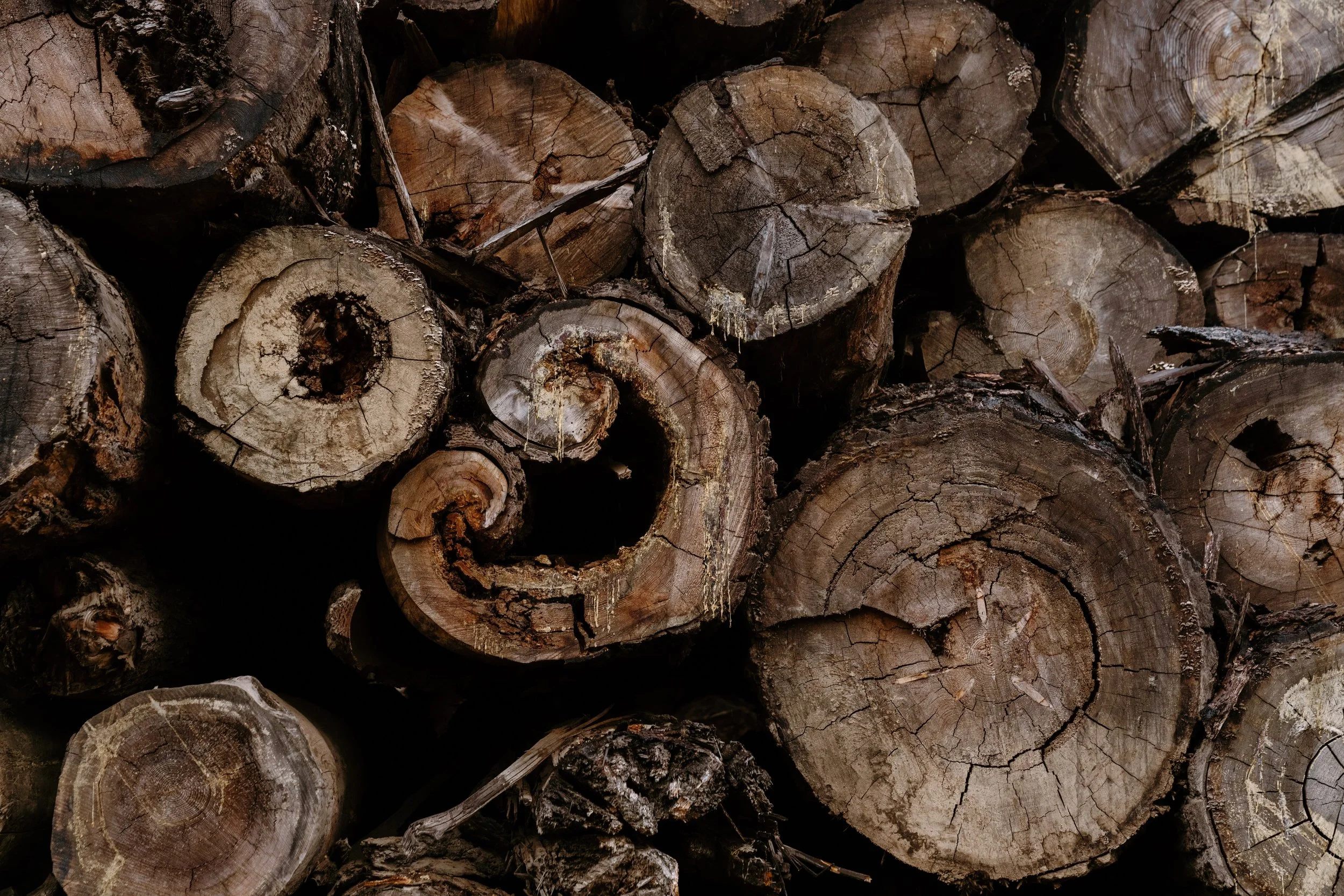
As a result, Tribes harvest only about half of their annual allowable cut. Decades of closures at rural mills and biomass facilities have also stripped away the local infrastructure needed to process timber. Tribal and rural projects are often passed over by investors who see them as small-scale and high-risk, making it difficult to secure the long-term financing needed to rebuild mills, biomass plants, and transportation networks. At the same time, many forests urgently need active management through removal of small trees and brush to reduce megafire risk.
"It is a self-reinforcing cycle: without market access, restoration stalls; without restoration, forest health declines and wildfire risks increase; and without wood and biomass revenue, communities can't sustain the very operations that would break that cycle," said Dylan Kruse, president of Sustainable Northwest.
Tribal Nations Offer Solutions
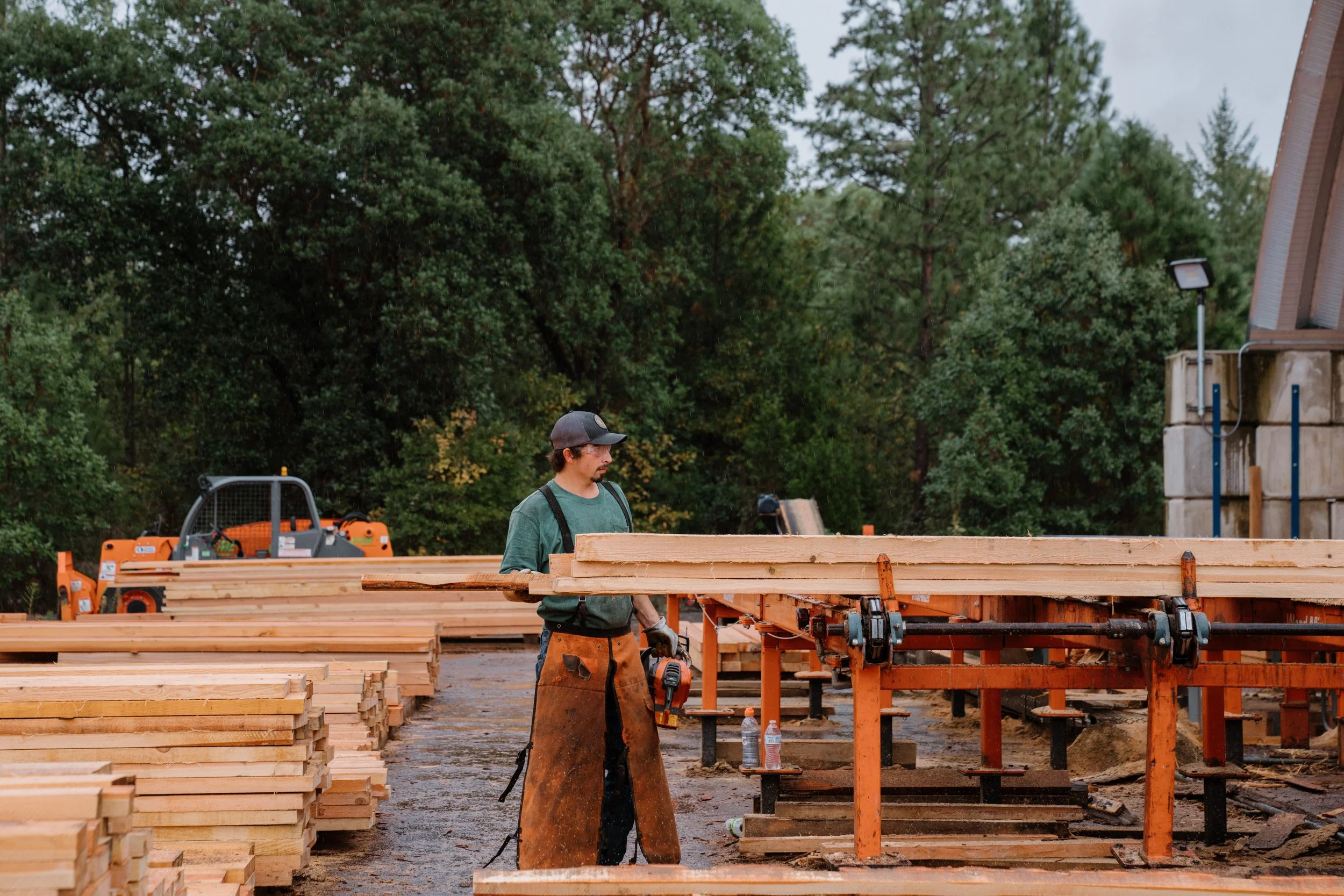
SNW and ITC will work directly with Tribal Nations to provide expert business development and financing support, helping Tribes develop real, fundable projects that use underutilized wood; connect with buyers and investors; and build the workforce and infrastructure to sustain that work well beyond the life of the grant.
A new "Wood and Biomass Hub," housed at ITC, will anchor the effort. It will start with three pilot Tribal communities and build a model that can spread across ITC's network of more than 60 member Tribes nationwide.
"Tribes have always known how to manage these forests," Mukumoto said. "What's often missing is the financial and technical runway to act on that knowledge at scale. The Intertribal Timber Council and Sustainable Northwest can help build that runway – the market connections, the financing know-how, and now this hub. We can strengthen Tribal sovereignty and economic opportunity while producing needed wood products and making America's forests healthier."
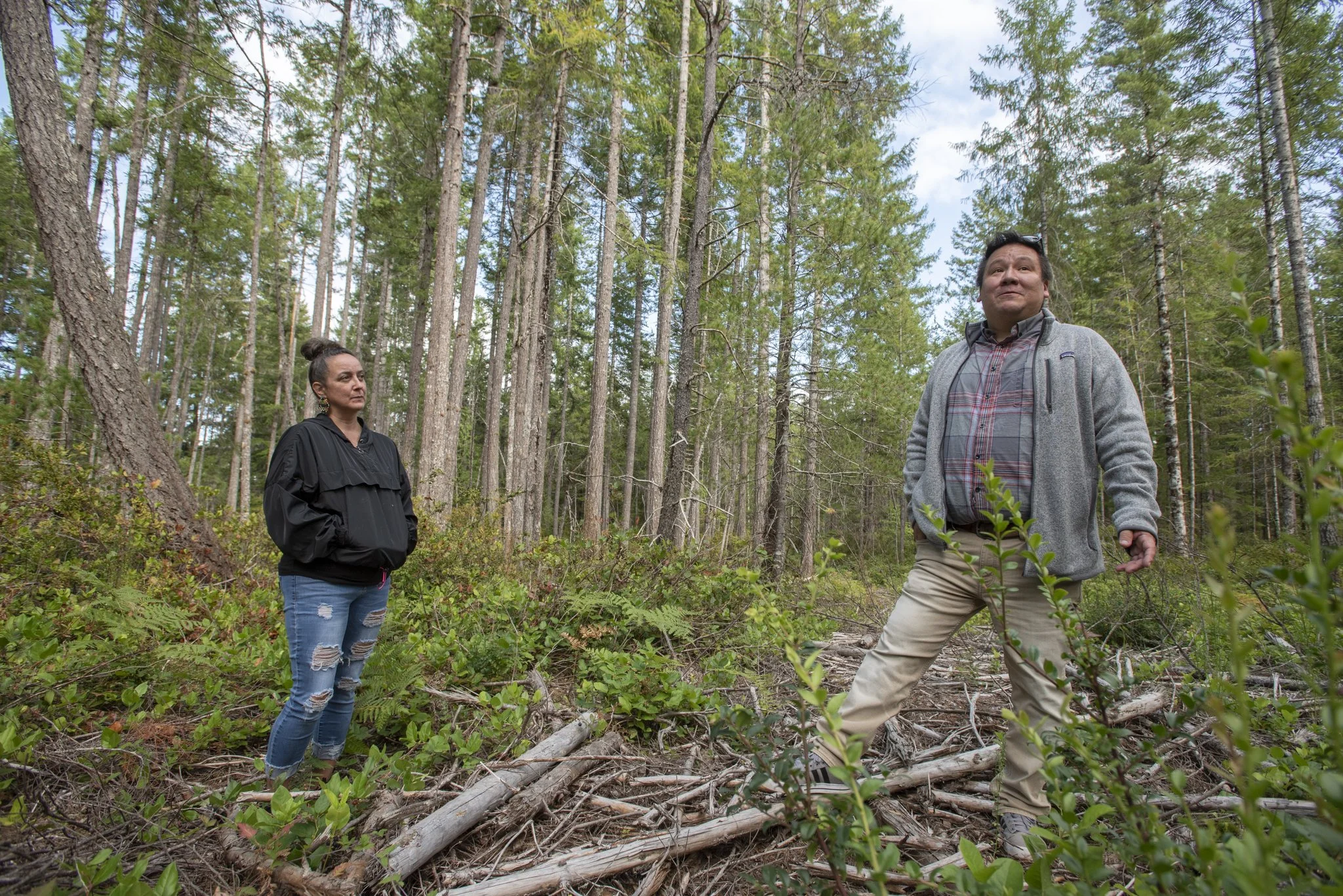
MJ Parrish surveys forestland for the Coquille Indian Tribe. Credit Flowerhead Productions.
What This Project Will Deliver
Over the next five years, this project will:
Turn tens of millions of board feet of overlooked wood into products people can buy
Help attract millions of dollars in new infrastructure investment
Get new Tribal business ideas to the point where they're ready for funding
Support new jobs
Support forest stewardship on tens of thousands of acres of Tribal land
Help partnering Tribes boost mill production
Building on a Long-Term Partnership
This work builds on wood market and forest stewardship efforts SNW is already doing with Tribal partners, and deepens a long-running partnership between SNW and ITC focused on growing markets and demand for sustainable Tribal wood products and biomass energy.
Our shared vision is to greatly increase Tribal access to the wood products industry and increase Tribal stewardship of forested landscapes, with the goals of improving forest health, advancing Tribal sovereignty, and creating opportunities for Tribal economies and businesses to thrive.
If you want to support this project and others like it, you can join The Tree Rings by making a recurring donation to Sustainable Northwest. Click here and select the option to make your gift monthly. Thank you!
Frequently Asked Questions:
What is Sustainable Northwest's and Intertribal Timber Council’s new Tribal forestry investment?
Sustainable Northwest and the Intertribal Timber Council (ITC) received a five-year, $1.7 million award to help Tribal Nations build new markets for small trees, brush, and low-grade logs — wood that's often left behind during forest restoration. The funding comes from the U.S. Endowment for Forestry and Communities, which selected the SNW-ITC partnership as one of five projects nationwide.
Who is funding this project?
The project is funded by the U.S. Endowment for Forestry and Communities and carried out in partnership by Sustainable Northwest and the Intertribal Timber Council, a national organization representing more than 60 member Tribes.
What is the Wood and Biomass Hub?
The Wood and Biomass Hub is a new initiative housed at the Intertribal Timber Council that provides Tribal Nations with business development and financing support to turn overlooked wood into marketable products. It launches with three pilot Tribal communities, with the goal of building a model that can scale across ITC's full network of member Tribes.
Why do Tribal forests need more investment?
Tribal forests receive roughly one-third the funding of comparable federal forests, according to a 2023 federal assessment, even though more than 310 Tribally owned forests cover 19.3 million acres of trust land nationwide. That underinvestment leaves Tribal forestry departments understaffed, forests overgrown, and Tribes able to harvest only about half of their annual allowable cut.
What is an Indian trust forest?
An Indian trust forest is forest land the U.S. federal government holds in trust for a Tribe or individual Tribal members, rather than land the Tribe owns outright. There are more than 310 Tribally owned trust forests across the country, totaling 19.3 million acres, including 10.2 million acres of commercial forest.
How does this project help reduce wildfire and megafire risk?
By creating markets for small-diameter trees and woody biomass, the project gives Tribes a financial incentive to actively thin overgrown forests — removing the excess fuel that drives megafires. Restoration work that currently stalls for lack of buyers can instead generate revenue that sustains ongoing forest management.
How will this project support Tribal economies and jobs?
Over five years, the project aims to turn tens of millions of board feet of overlooked wood into sellable products, attract new infrastructure investment, help Tribal business ideas become fundable, create new jobs, and boost mill production for partnering Tribes — while supporting forest stewardship on tens of thousands of acres of Tribal land.
Which Tribal communities are involved in the pilot program?
The Wood and Biomass Hub launches with three pilot Tribal communities. The specific communities are yet to be determined. The model developed with these initial partners is designed to expand across the Intertribal Timber Council's network of more than 60 member Tribes nationwide.
How long will the project run, and what will it deliver?
The project runs for five years. Planned outcomes include converting tens of millions of board feet of underused wood into products, attracting new infrastructure investment, advancing Tribal business ideas toward funding readiness, creating jobs, and supporting stewardship on tens of thousands of acres of Tribal forestland.