How a borrowed electric tractor saved one farmer more than $80,000
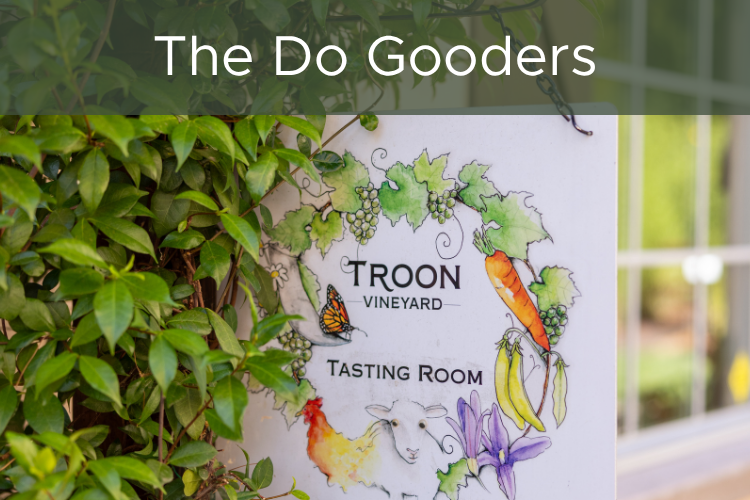
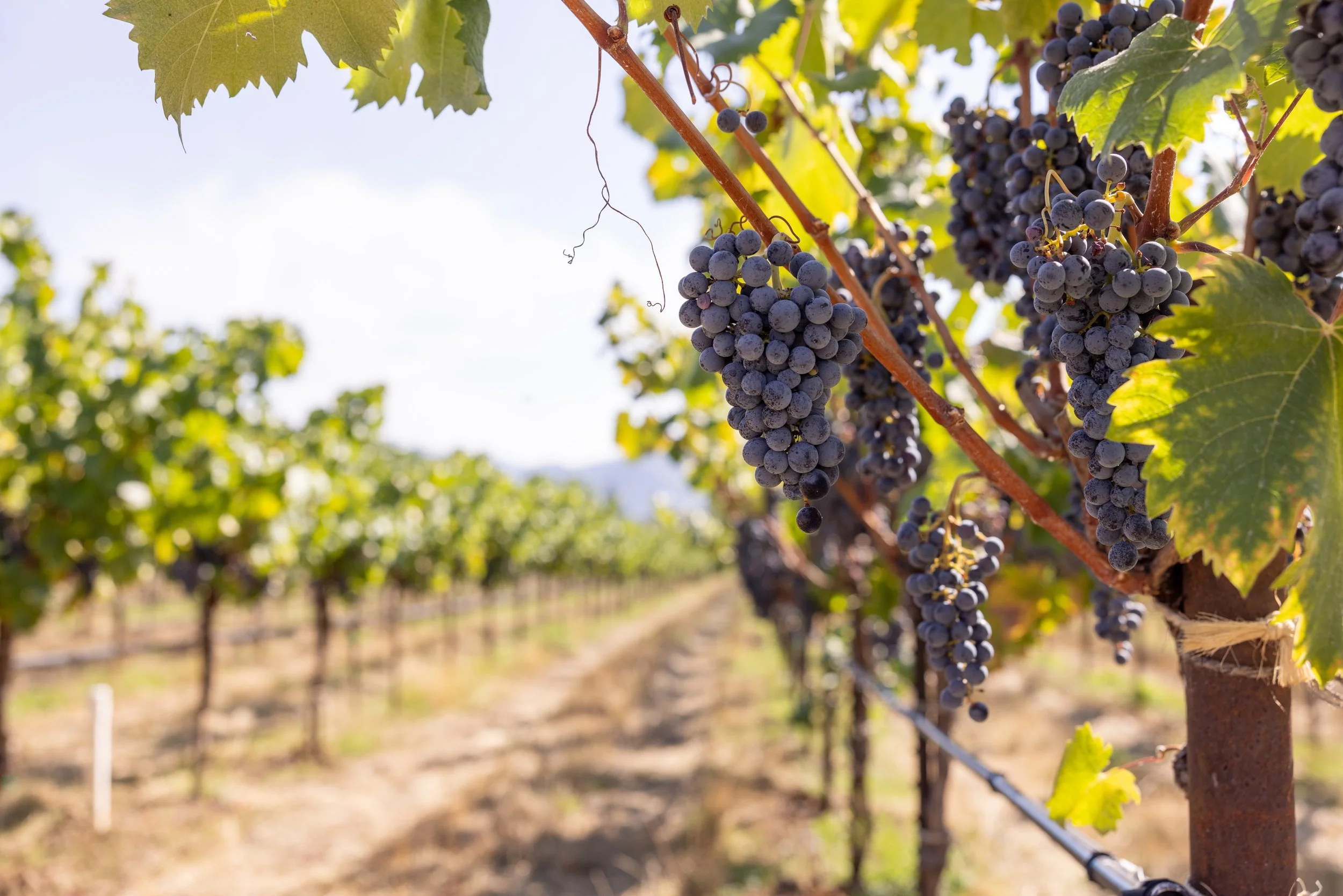
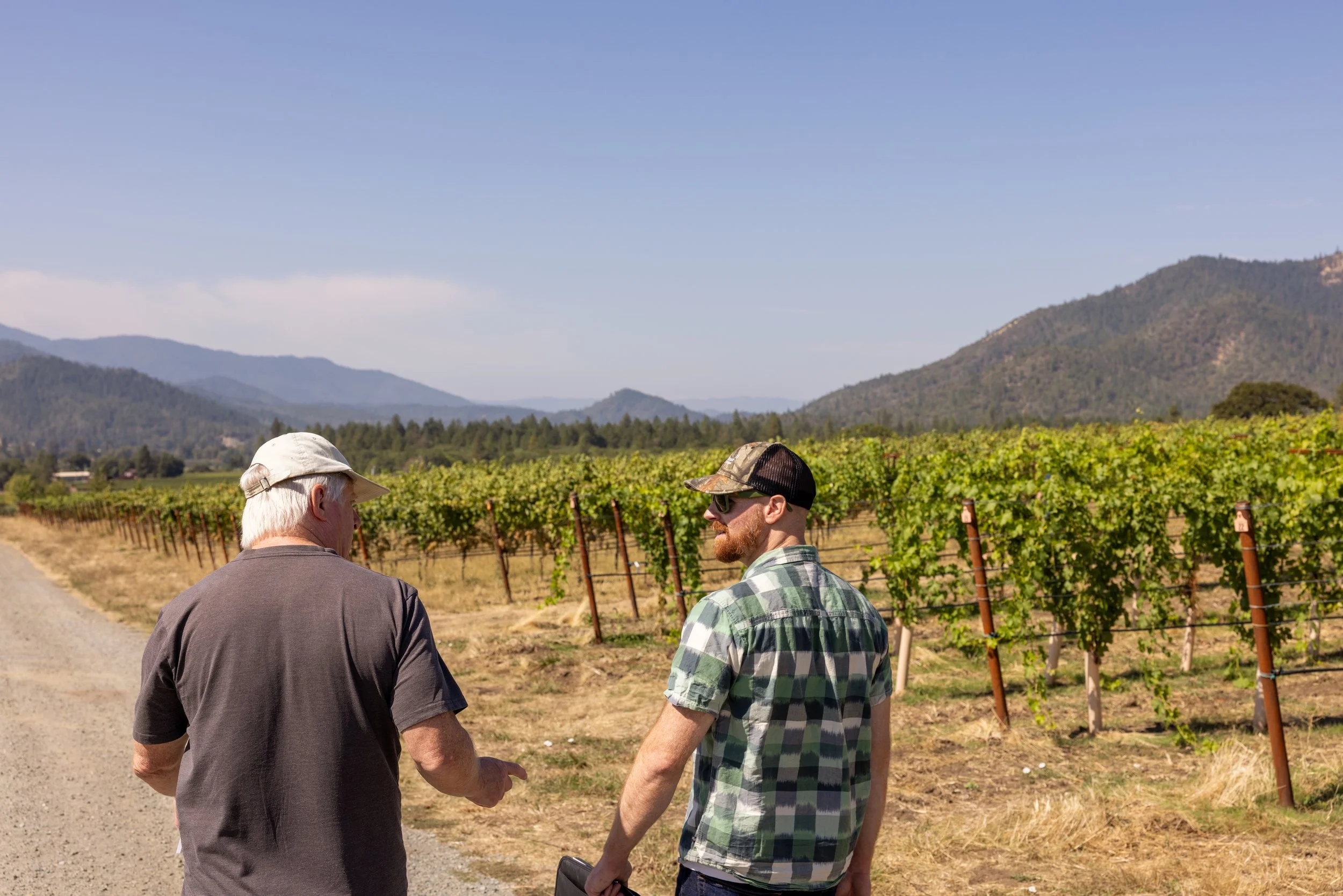
Troon Vineyard & Farm in Applegate Valley, Oregon. Photo courtesy of Wy'East RC&D and Michael Kluz.
The Do Gooders: Stories of people putting the Pacific Northwest's land and communities first
Last fall, Troon Vineyard & Farm in Southern Oregon borrowed a Monarch MK-V electric tractor for eight weeks during harvest season through the E-Farms program. And while the electric tractor was used for typical farm chores, Troon had no idea it would save them $86,000 worth of product during a brownout that cut their power.
“We used the Monarch's onboard power for an unexpected and totally rad purpose,” said Troon Vineyard & Farm Director of Agriculture Garett Long.
During harvest season, the team used the tractor for a variety of tasks such as moving bins to cold storage, spreading compost, seeding cover crops, and hauling trailers.
Initially, Long recounted how it felt like “a tech startup that got into agriculture,” rather than a traditional agricultural equipment maker. The tractor had a large touchscreen interface, a roof setup with lights and cameras, and an overall modern, futuristic look.
The team was also quite impressed with the specs: 40 horsepower continuous operation with the ability to peak to 75 horsepower. This enabled the tractor to run several large tools on the farm.
Want to go deeper into this story?
You can also listen to a podcast about Troon’s E-Farms experience!
Find it on YouTube, Spotify or Apple Podcasts
Produced by Rural-E podcast
Electric equipment to the rescue
But the most unexpected use came during fire season. Troon Vineyard & Farm is located within a historically fire-prone area. To reduce fire risk, sometimes Pacific Power sometimes shuts off power – known as a brownout. One day during the trial period, a brownout occurred in the middle of bottling pétillant naturel (pét-nat) wine. According to winemaker Nate Wall, the team was bottling 240 cases that day, with a retail value of roughly $86,000.
Pét-nat is made using the ancestral method, where bottling has to happen at a precise moment. There was no waiting until the power came back the next day.
Garett explained how it was close to a “worst case scenario.”
The team immediately hopped on their group text thread to troubleshoot solutions, with one person offering to run home to grab their personal diesel generator. Instead, Garett responded in all caps, “MONARCH” (i.e., their loaned electric tractor).
Realizing the electric tractor’s onboard power could solve the problem, he drove the Monarch over, ran an extension cord from its 110V outlet to the machinery, and had the line back up and running in no time. With a solution on site, they were back to production in ten minutes.
This was “just amazing,” said Long.
Leading the way in more ways than one
E-Farms evaluates how electric equipment performs against conventional diesel and gas-powered alternatives, with the goal of making it easier for working farms and ranches to adopt clean energy technology. Through the program, electric farm equipment is loaned to farmers, ranchers, and other users at no cost. In turn, the program collects feedback on benefits and limitations, compares the performance of electric and non-electric equipment, and summarizes consumer preferences.
Troon Vineyard & Farm is located in Applegate Valley, outside of Grants Pass in Southern Oregon. It was originally established as a vineyard in 1972 and added a winery in the 1990s.
In 2018, the property was purchased by new owners who began its transition to biodynamic and regenerated organic certified (ROC) practices. Cover cropping, rotational grazing, composting, and installing a comprehensive solar panel array are only a few of the countless approaches Troon Vineyard & Farm does to achieve this.
Now, Troon Vineyard & Farm is the only farm in the world to simultaneously hold both the biodynamic certification and ROC gold certification.
Troon Vineyard & Farm previously borrowed a Soletrac electric tractor via the E-Farms program. In fact, they already own electric UTVs, an electric ATV, an electric tour vehicle, an electric forklift, and an electric pallet jack, and plan to phase out their gas and diesel equipment to electric alternatives over time.
Endless possibilities
He also noted how if the brownout had occurred at night, the Monarch’s built-in lights could similarly have been useful. Compare that to the alternative in either situation: sending a coworker on a 30-minute drive each way to fetch a personal generator.
“There are a thousand uses on a farm for a gigantic, mobile battery bank; using it to power our bottling wine was not one I had dreamed of,” said Long.
Drawbacks still persist with electric equipment. Instability of startup companies, higher upfront costs, a lack of local service support, and cultural resistance to unfamiliar technology all create barriers to adopting electric equipment. Particularly in rural areas, the mechanical skillset to service electric equipment, which is largely diagnostic and laptop-based, is not accessible locally.
However, Long describes their experience with the electric tractor as more “humane” and “pleasureable.” Compared to gas and diesel models, the electric equipment is quieter, exhaust fumes are eliminated, and economically advantageous due to lower fuel and maintenance costs.
Troon Vineyard & Farm’s experience with the Monarch MK-V shows what electric agricultural equipment can really offer rural operations, not just in fuel savings, but in operational and energy resiliency that is key as wildfire risk and brownouts increase.
While barriers remain, with longstanding manufacturers like John Deere entering the space, local demand and service infrastructure increasing, and Troon Vineyard & Farm’s mission guiding them, electrification is here to stay.
“It brought the joy back to farming,” said Long.
————
For a full case study about the Troon Vineyard & Farm experience, click here.
For more information about electric agricultural equipment and the E-Farms program, check out the E-Farms website.
Frequently Asked Questions / FAQs:
-
E-Farms is a program that loans electric farm equipment to farmers, ranchers, and other agricultural operators at no cost, so they can test it against conventional diesel and gas-powered alternatives. In exchange, participants provide feedback on performance, benefits, and limitations, which E-Farms uses to help other working farms and ranches make informed decisions about adopting clean energy equipment.re
-
During a Pacific Power brownout in fall harvest season, Troon Vineyard & Farm used the onboard 110V outlet of a borrowed Monarch MK-V electric tractor to keep their bottling line running. The team was mid-bottling on 240 cases of pét-nat wine — a style that must be bottled at a precise moment in fermentation — worth roughly $86,000 at retail, and the tractor's power kept production going with about ten minutes of downtime.
-
Pét-nat (pétillant naturel) is a sparkling wine made using the ancestral method, where bottling must happen at a specific, time-sensitive point in fermentation. Unlike most winemaking steps, this moment can't be paused or postponed until the next day, which is why losing power mid-bottling put an entire batch at risk. here
-
Yes. The Monarch MK-V used at Troon Vineyard & Farm delivers 40 horsepower continuously with peaks up to 75 horsepower, and includes a built-in 110V outlet that can run equipment directly from the tractor's battery. Troon's team ran an extension cord from the tractor to their bottling machinery and had it back online in minutes.
-
Troon Vineyard & Farm, located in the Applegate Valley near Grants Pass in Southern Oregon, is the only farm in the world to hold both Biodynamic certification and Regenerative Organic Certified (ROC) Gold status. Established as a vineyard in 1972, it has used cover cropping, rotational grazing, composting, and solar installation to transition toward regenerative practices since new ownership in 2018.
-
Utilities like Pacific Power sometimes proactively shut off power in high-risk, fire-prone areas — a practice known as a brownout or public safety power shutoff — to reduce the chance of equipment sparking a wildfire. Operations in these areas, including Troon Vineyard & Farm, increasingly need backup power strategies to keep running during these planned outages.
-
Farmers using electric equipment report it's quieter, produces no exhaust fumes, and costs less to fuel and maintain than diesel or gas alternatives. Troon Vineyard & Farm's agriculture director also described the experience as more "humane" and enjoyable to operate, alongside the added benefit of using the equipment's battery as backup power during outages.
-
Common barriers include higher upfront costs, instability among newer electric-equipment startups, limited local service and repair support (especially in rural areas), and cultural resistance to unfamiliar technology. Because servicing electric equipment is largely diagnostic and laptop-based, the necessary mechanical skillset is often not yet available locally.
-
Adoption is growing as established manufacturers like John Deere enter the electric equipment market, local demand increases, and service infrastructure expands to support it. Programs like E-Farms are helping accelerate this shift by letting farms test electric equipment risk-free before investing.
-
Beyond the borrowed Monarch MK-V (and a previously borrowed Soletrac electric tractor), Troon Vineyard & Farm already owns electric UTVs, an electric ATV, an electric tour vehicle, an electric forklift, and an electric pallet jack. The farm plans to continue phasing out its remaining gas and diesel equipment over time.
-
Visit the E-Farms website for details on how the equipment loan program works and how to participate. You can also listen to a podcast about Troon Vineyard & Farms experience via YouTube, Spotify, or Apple Podcasts.
-
Sign up for the Sustainable Northwest monthly newsletter here, follow them on Instagram, follow them on LinkedIn, or donate here.